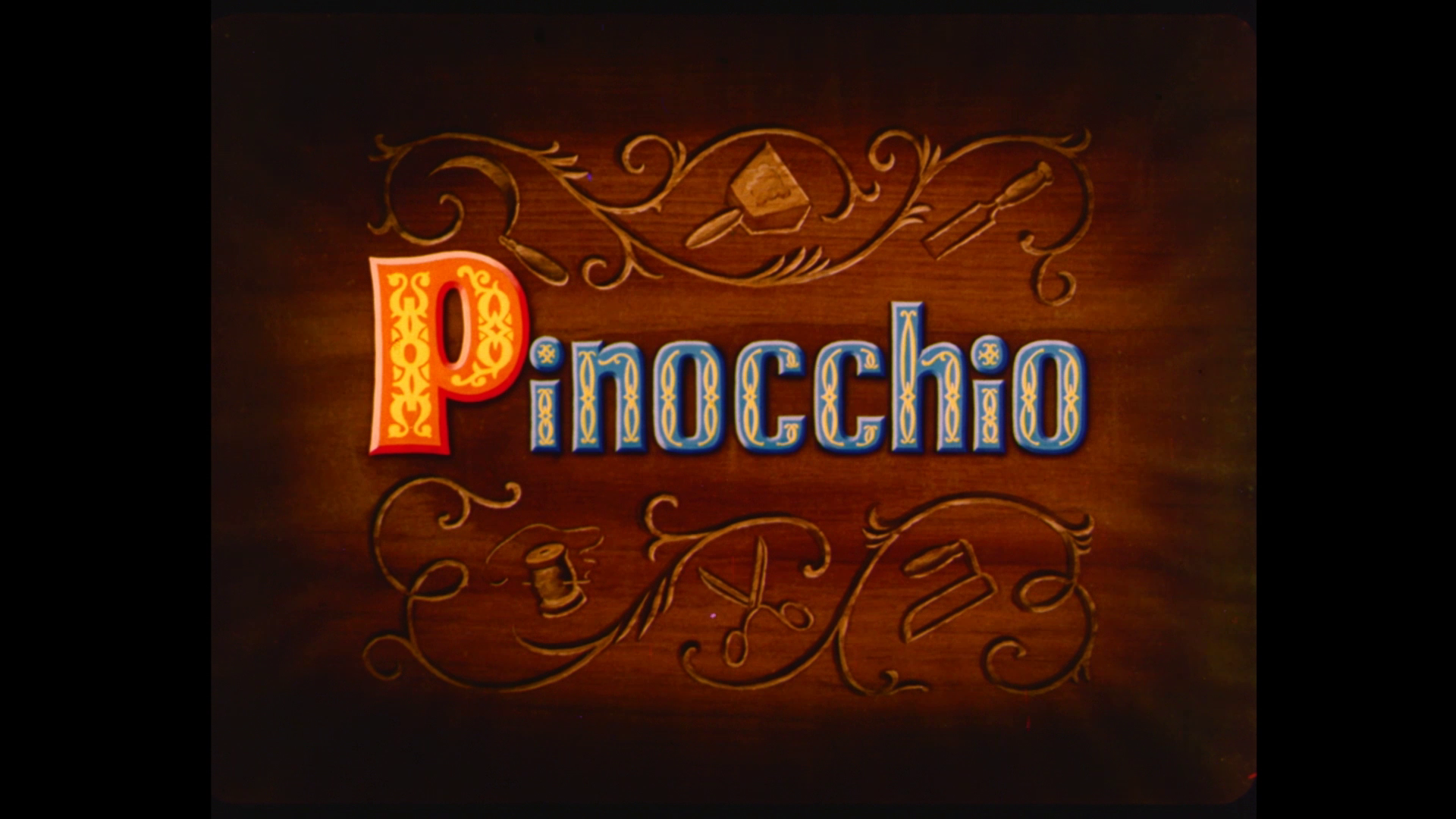
Pinocchio
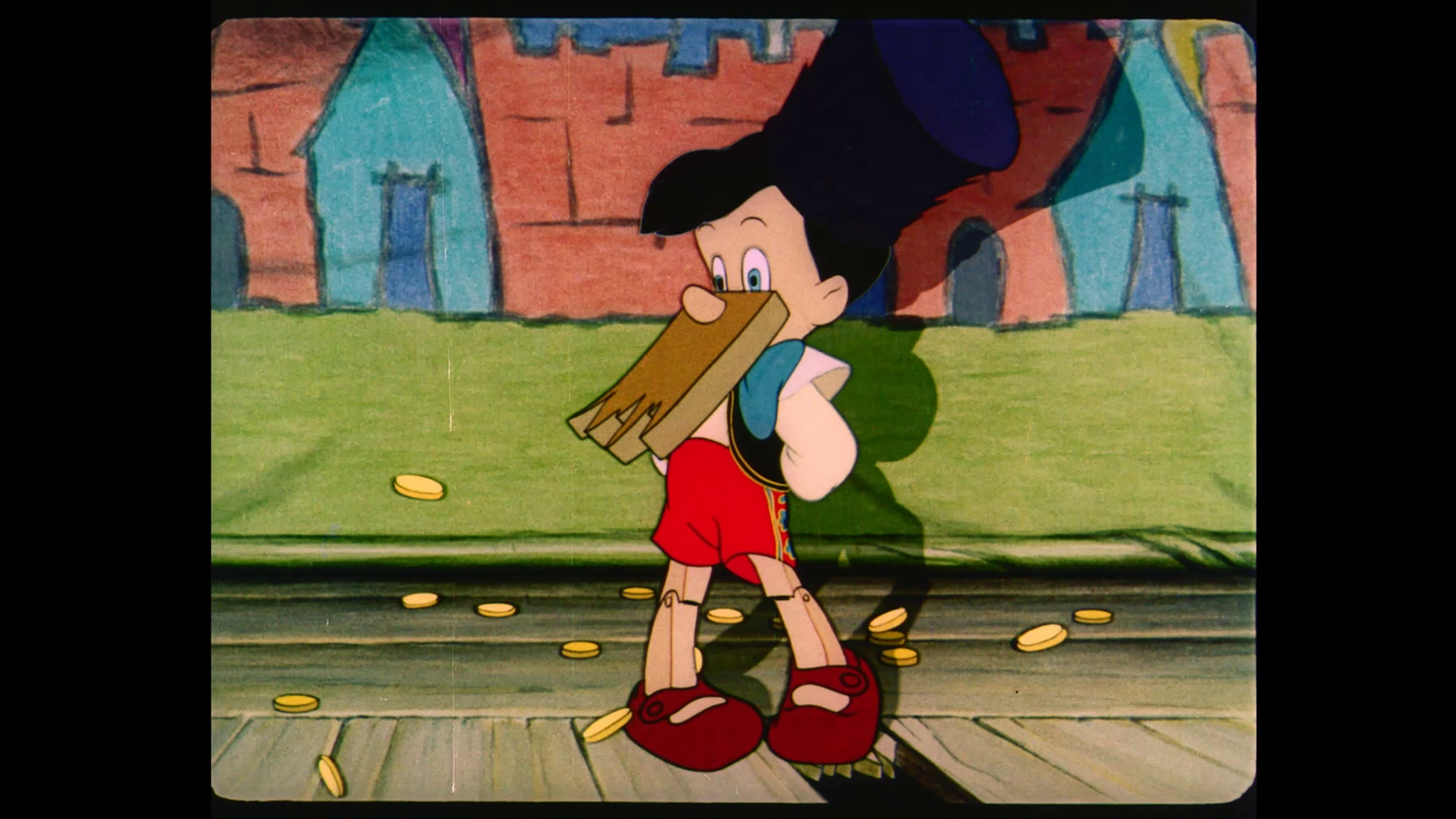
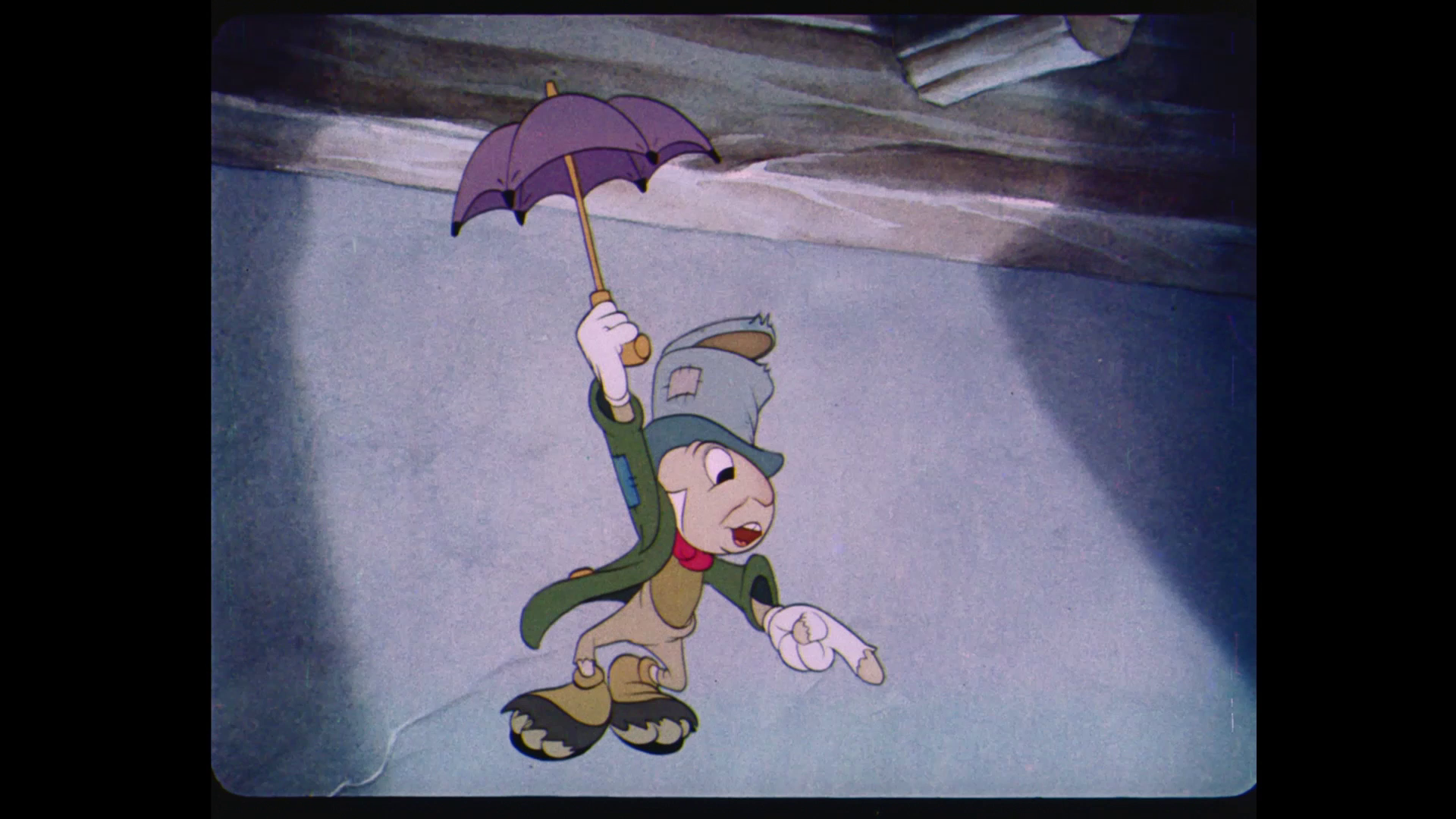
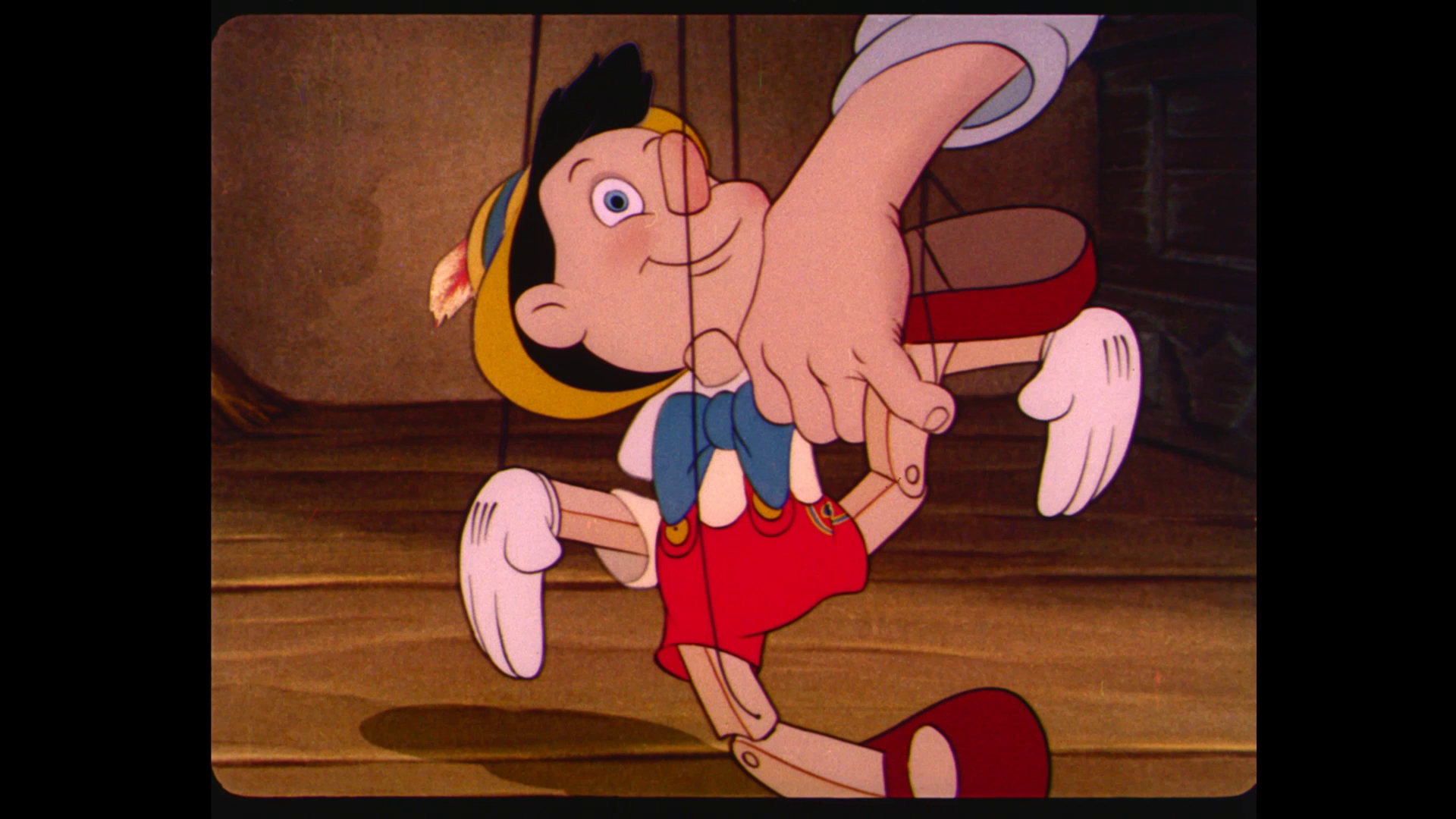
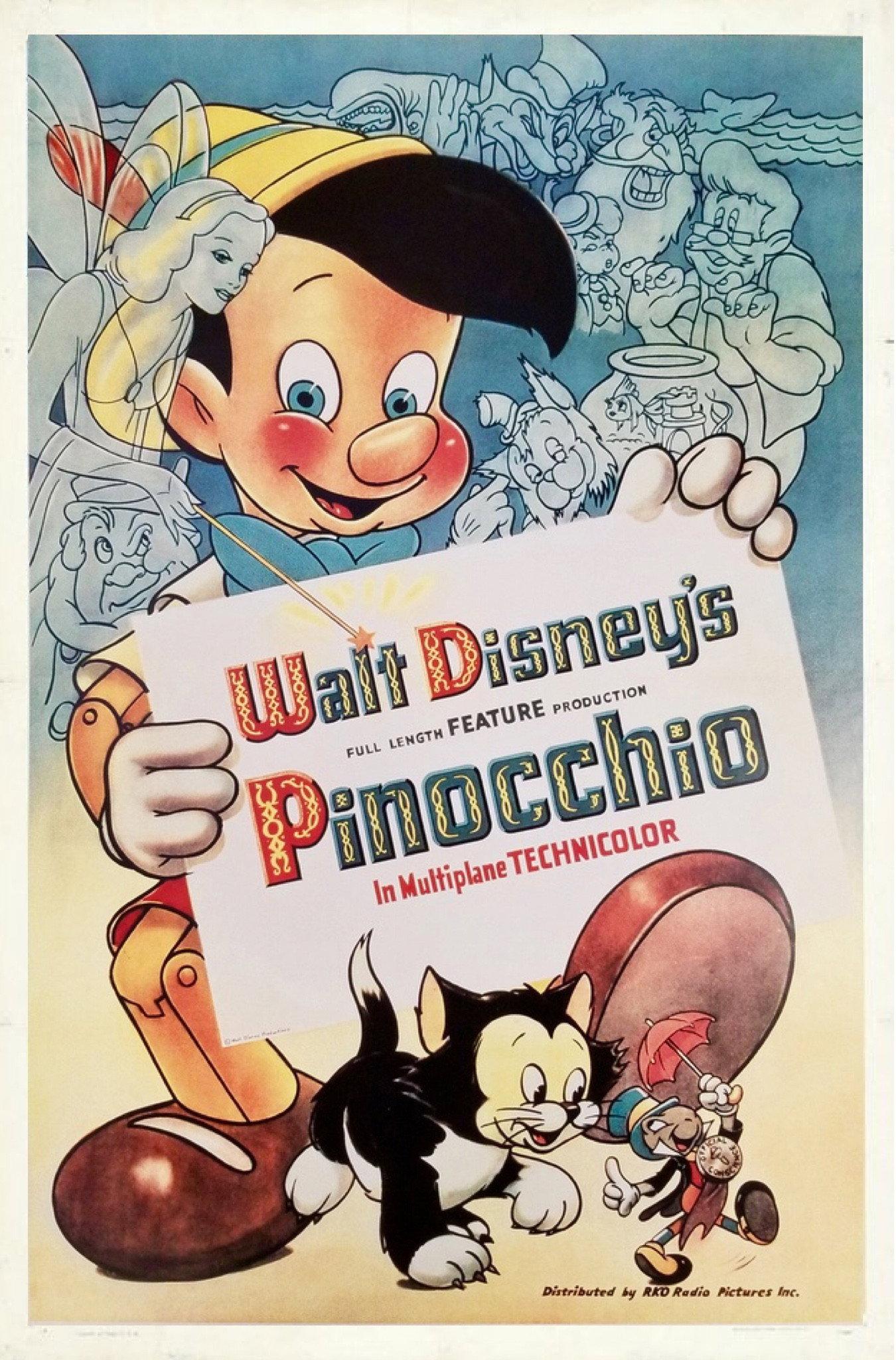
Walt Disney's Pinocchio (1940) is a timeless animated fantasy that follows the magical adventures of a wooden puppet who dreams of becoming a real boy. Deep in a picturesque Italian village, a kindly woodcarver named Geppetto creates a wooden puppet called Pinocchio. Wishing upon a star, Geppetto hopes that his creation might one day become a real child. That night, the mysterious Blue Fairy brings Pinocchio to life, promising that he can become a real boy if he proves himself brave, truthful and unselfish. Guided by his appointed conscience, Jiminy Cricket, Pinocchio sets off on an extraordinary journey filled with wonder, temptation and danger. Along the way, he encounters the cunning Honest John, the ruthless puppeteer Stromboli and the terrifying secrets of Pleasure Island. As Pinocchio struggles to distinguish right from wrong, his adventures ultimately lead him into a desperate confrontation with the monstrous whale Monstro. Featuring breathtaking hand-drawn animation, unforgettable characters and beloved songs including When You Wish Upon a Star, Pinocchio remains one of Disney's most celebrated animated achievements.
What changed in this version?
This 35mm film scan edition of Pinocchio celebrates the film's traditional theatrical presentation, offering an opportunity to appreciate the artistry of Disney's second animated feature through the characteristics of photochemical film.
Originally released in 1940, Pinocchio was produced using the Technicolor process, creating the rich colours, atmospheric lighting and detailed painted backgrounds that helped establish the film as a landmark in animation history.
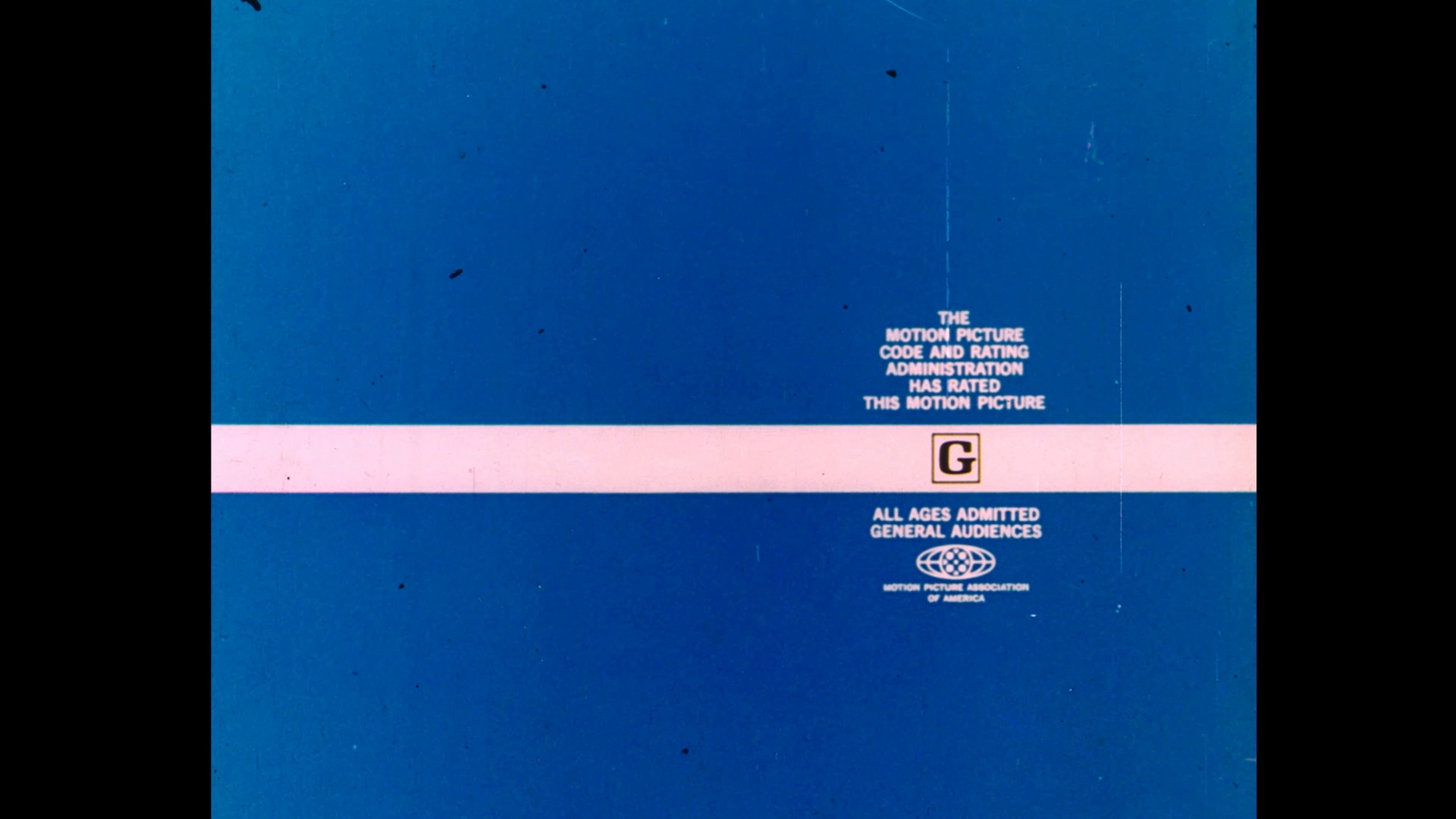
Unlike contemporary digital presentations, a scan taken from a physical 35mm theatrical print can retain the distinctive appearance of projected film, including natural grain, subtle colour variations and the textures associated with analogue cinema.
The film's extraordinary hand-painted backgrounds, elaborate multiplane camera effects and beautifully animated characters make its original photographic presentation particularly fascinating.
Depending on the age and condition of the source print, the scan may also reveal scratches, dust, minor instability and other imperfections accumulated during its theatrical life.
These characteristics offer collectors and film enthusiasts a different way to experience a classic animated feature, preserving the atmosphere of traditional cinema projection.
Differences from Modern Digital Releases
- A 35mm theatrical print scan may offer several visual differences compared with modern Blu-ray, 4K and streaming presentations.
- Natural Film Grain: The photographic texture of the original film medium may remain visible throughout the presentation.
- Technicolor Reproduction: Colours may differ from modern digital restorations, depending on the source print, its age and the scanning process.
- Original Theatrical Framing: The film was composed for the approximately 1.37:1 Academy aspect ratio.
- Film Print Characteristics: Minor scratches, dust, reel-change marks and fluctuations in brightness may be present.
- Traditional Animation Detail: The texture of painted backgrounds, cel animation and photographic effects may have a distinctive appearance.
- Limited Digital Processing: If the transfer has undergone minimal restoration, it may retain more of the physical print's original characteristics.
- These differences depend on the particular print and transfer; they are not guaranteed features of every 35mm scan.