Poltergeist
"They're here." From director Tobe Hooper and producer Steven Spielberg comes Poltergeist (1982), a terrifying supernatural horror classic that transforms an ordinary suburban family home into a gateway to unimaginable terror. The Freeling family live a seemingly perfect life in the peaceful California neighbourhood of Cuesta Verde. Steve and Diane Freeling, along with their three children, enjoy the comforts of modern suburban living until a series of increasingly bizarre events begins to disturb their home. What starts as harmless supernatural activity soon turns into something far more sinister. Furniture moves by itself, strange noises echo throughout the house, and the family's youngest daughter, Carol Anne, begins communicating with mysterious voices emerging from the television. When Carol Anne mysteriously disappears into another dimension, her desperate parents seek help from a team of paranormal investigators and the extraordinary spiritual medium Tangina Barrons. As the supernatural forces grow increasingly violent, the family discovers that their home conceals a horrifying secret, and the entities tormenting them may have no intention of letting Carol Anne return. Featuring groundbreaking visual effects from Industrial Light & Magic, an unforgettable musical score by Jerry Goldsmith and some of the most iconic sequences in horror cinema, Poltergeist remains a landmark of 1980s supernatural filmmaking.
What changed in this version?
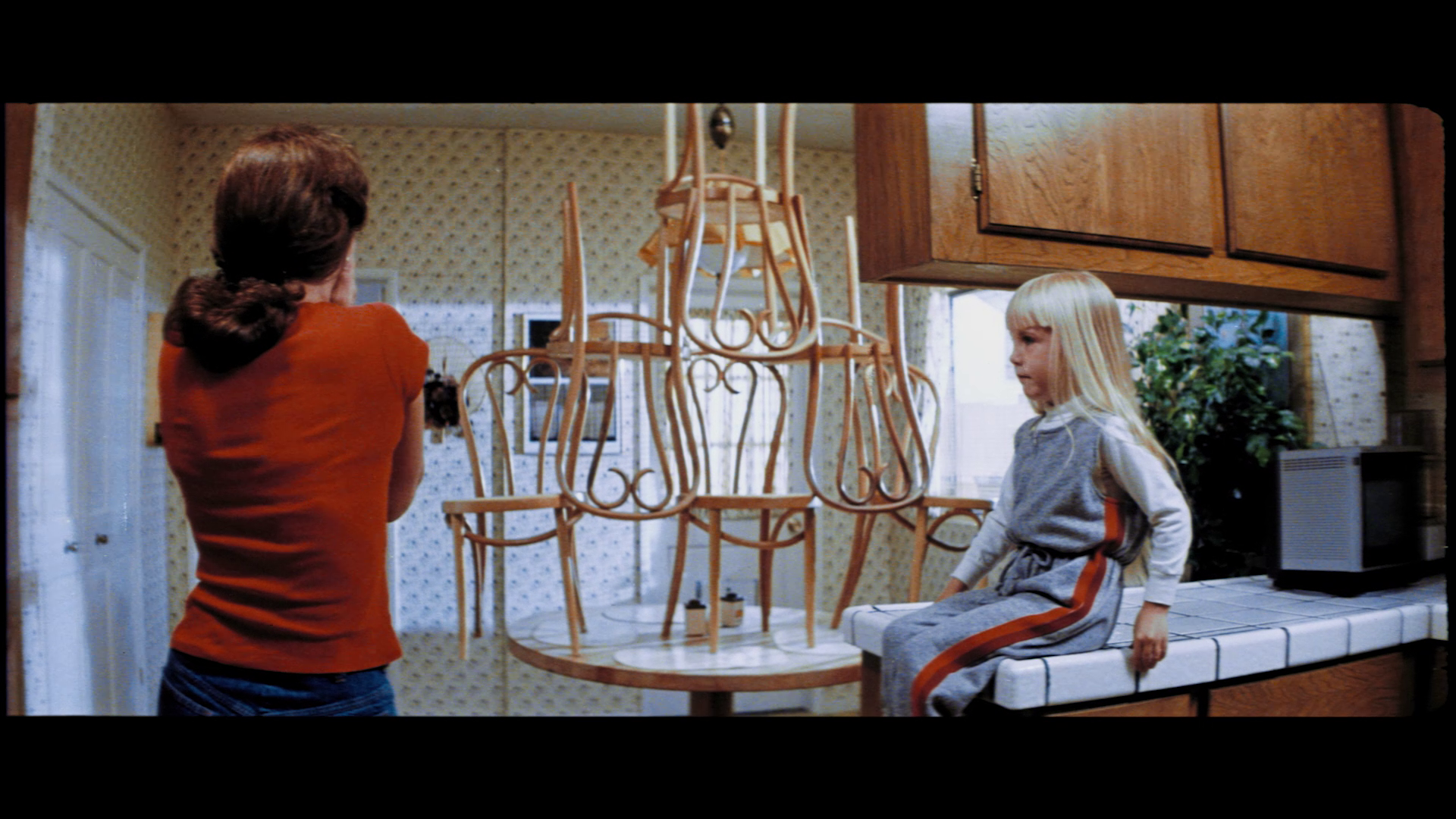
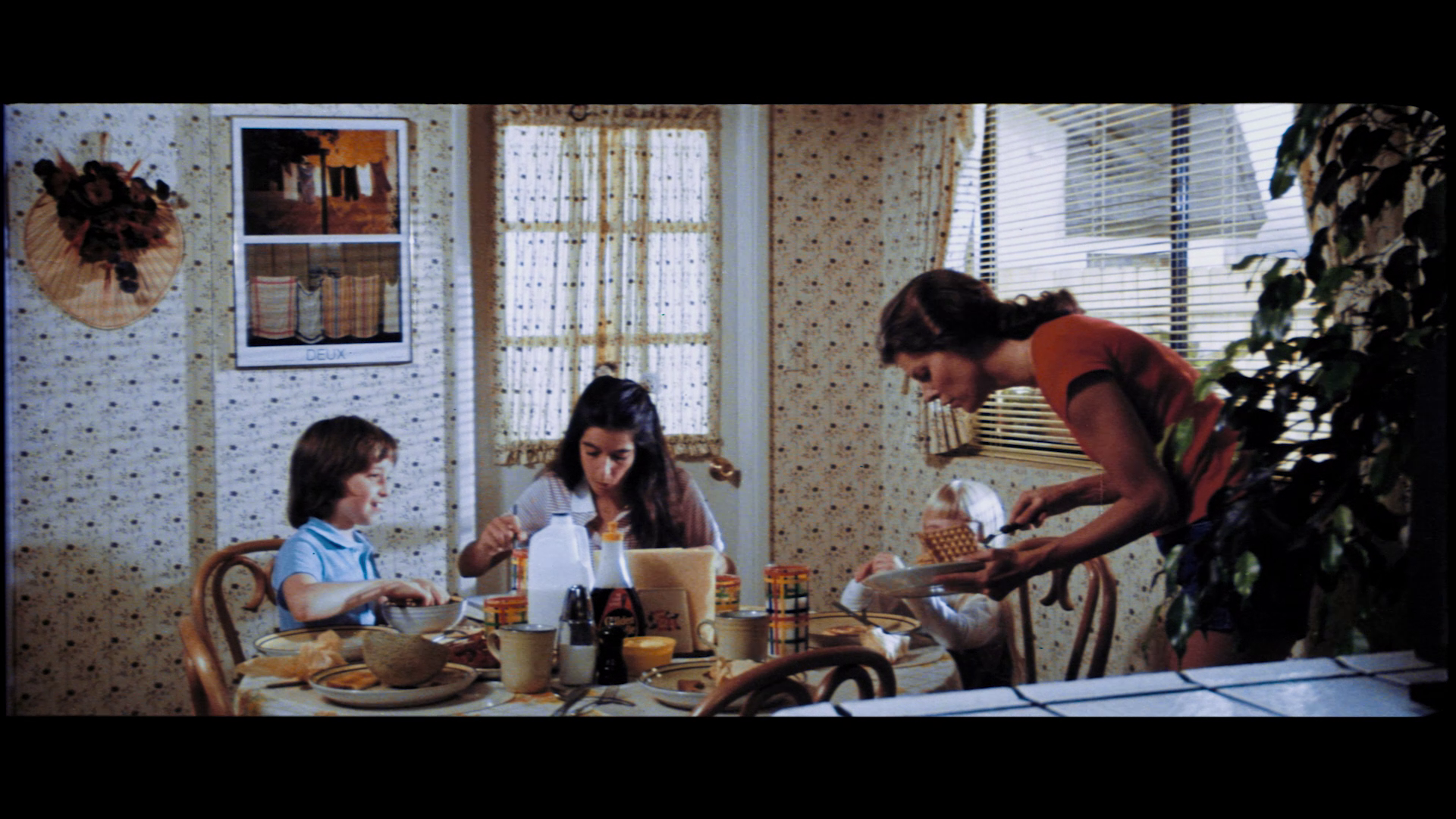
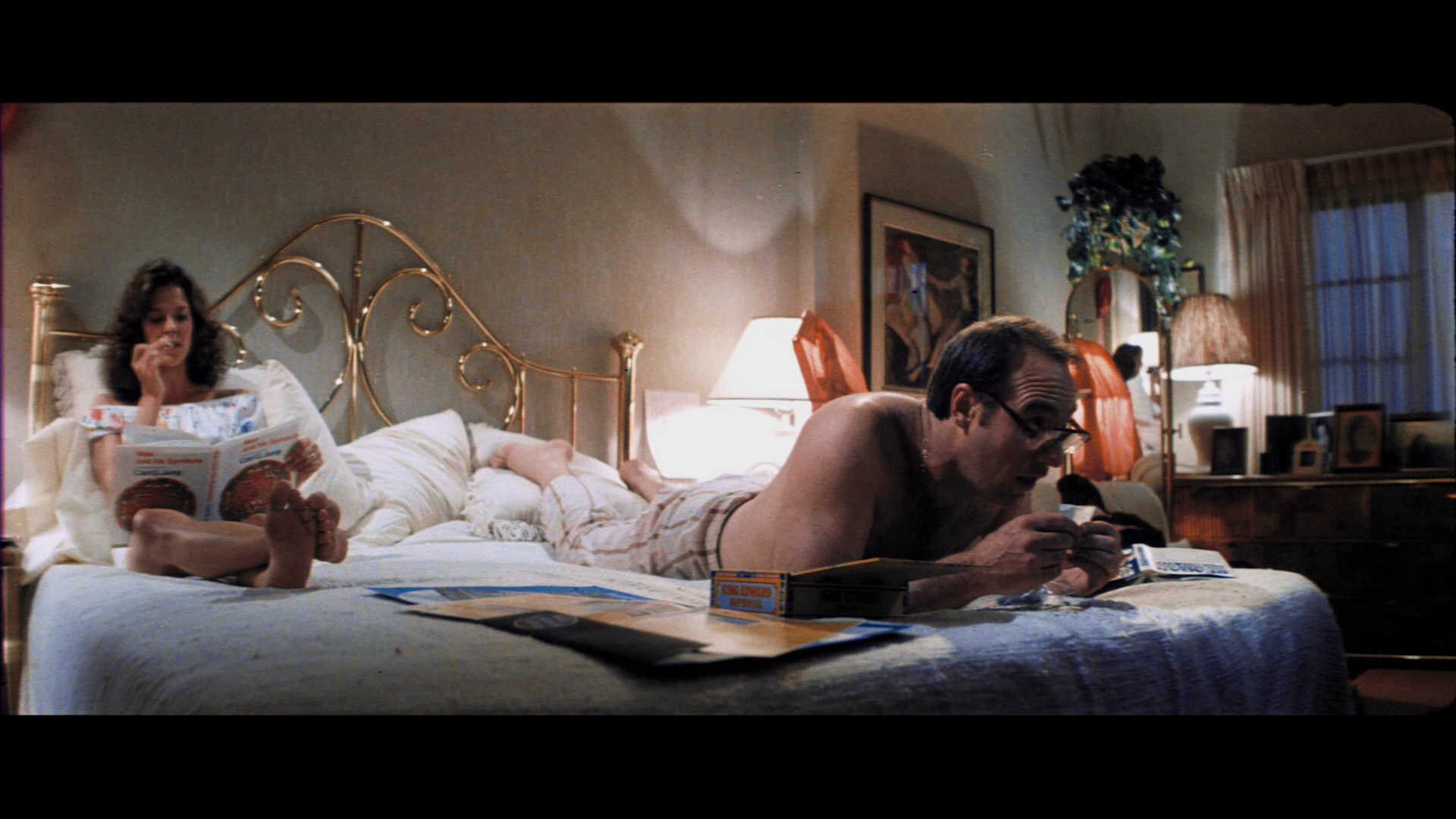
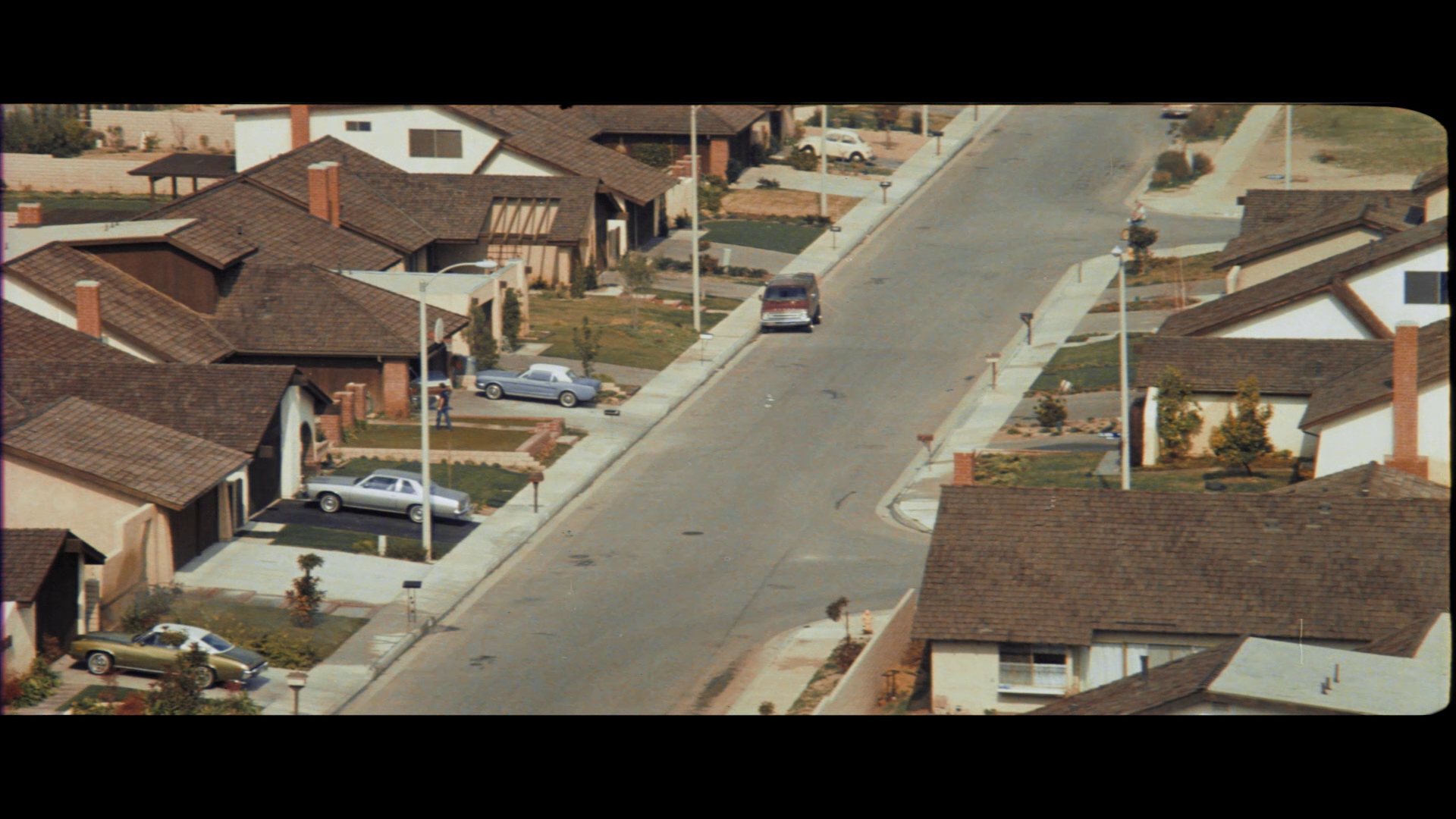
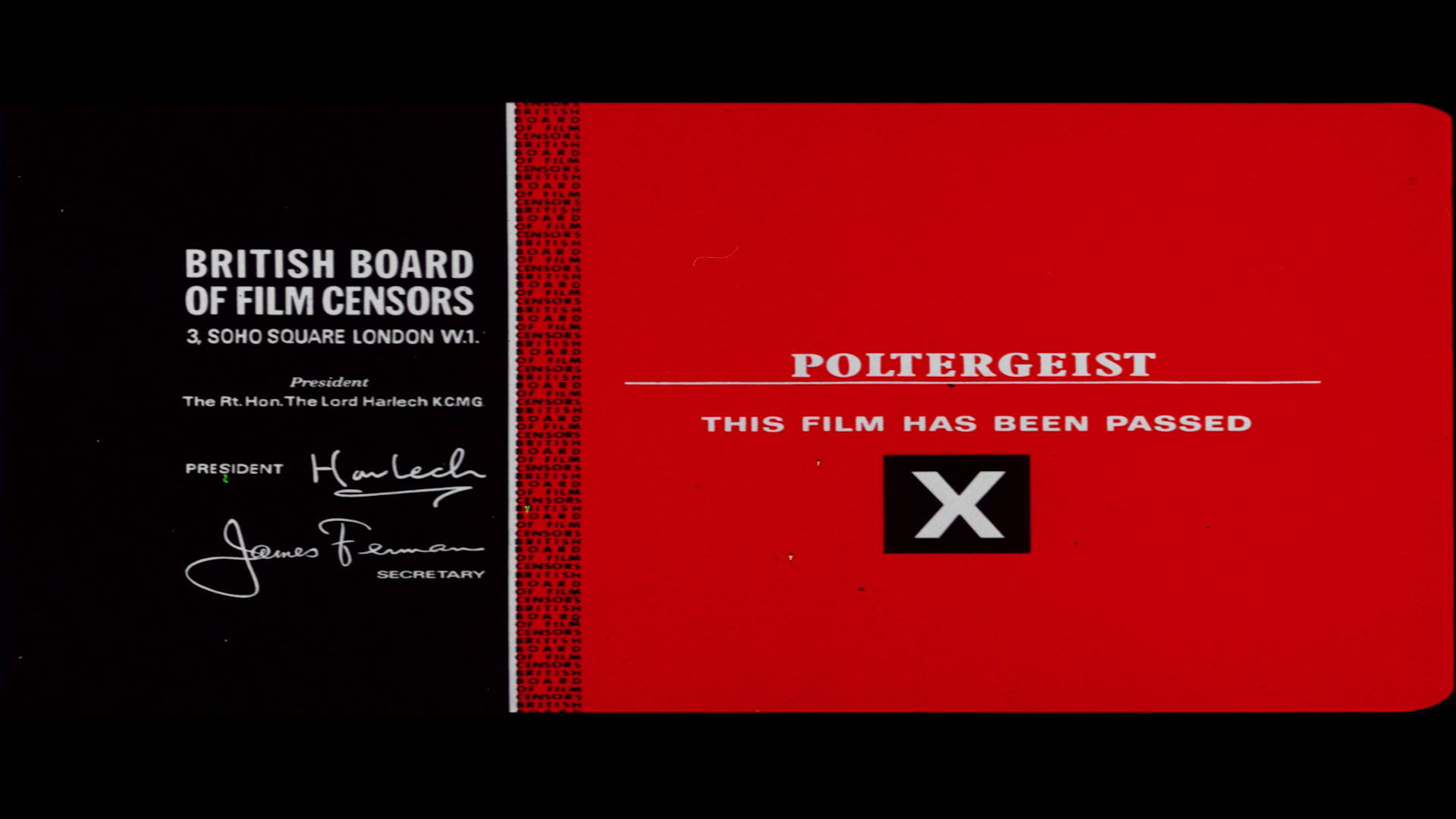
This 35mm 4K transfer edition of Poltergeist celebrates the film's original photochemical presentation, offering the opportunity to experience this supernatural classic through the visual characteristics of traditional cinema film.
Originally photographed on 35mm using anamorphic cinematography, Poltergeist was designed for theatrical projection, combining atmospheric lighting, practical effects and elaborate optical compositions.
A high-resolution 4K scan of a surviving 35mm film print can reveal photographic textures and details that may appear differently in modern digitally restored home-video releases.
The transfer can retain the natural film grain, colour characteristics and subtle imperfections associated with physical theatrical prints.
The film's extraordinary visual effects, including the glowing television sequences, supernatural apparitions and terrifying manifestations within the Freeling household, are particularly fascinating when viewed through the texture of analogue film.
Depending on the particular print and restoration process, viewers may notice scratches, dust, colour fluctuations and occasional instability that reflect the history of the physical source material.
Rather than presenting the film exclusively through the polished appearance of modern digital restoration, this edition offers an alternative viewing experience inspired by the original cinema presentation of 1982.
Differences from Modern Digital Releases
- A 35mm film scan can offer several distinctive visual characteristics compared with official Blu-ray, 4K UHD and streaming presentations.
- Natural Film Grain: A visible photographic texture that reflects the original film medium.
- Theatrical Colour Reproduction: Colours and contrast may differ depending on the age, condition and generation of the source print.
- Original Widescreen Presentation: The movie's anamorphic theatrical composition is approximately 2.39:1.
- Film Print Imperfections: Dust, scratches, reel-change marks and occasional image instability may be visible.
- Optical Effects: The original photochemical visual effects can retain the characteristic softness, grain and compositing textures of early-1980s filmmaking.
- Theatrical Atmosphere: A film-print scan may provide a viewing experience closer to the look of projected cinema film.
- These differences depend on the particular 35mm source and the methods used to create the 4K transfer.
Historical Significance
Released on 4 June 1982, Poltergeist became one of the defining supernatural horror films of the decade.
Directed by Tobe Hooper, known for The Texas Chain Saw Massacre (1974), and produced and co-written by Steven Spielberg, the film combined terrifying horror imagery with the emotional storytelling of a family adventure.
The groundbreaking special effects were created with the involvement of Industrial Light & Magic, using a combination of practical effects, optical photography and elaborate mechanical techniques.
The film received three Academy Award nominations, recognising its visual effects, sound effects editing and Jerry Goldsmith's memorable musical score.
Its enormous success led to two theatrical sequels and a 2015 remake, while the original remains a celebrated example of atmospheric supernatural horror.
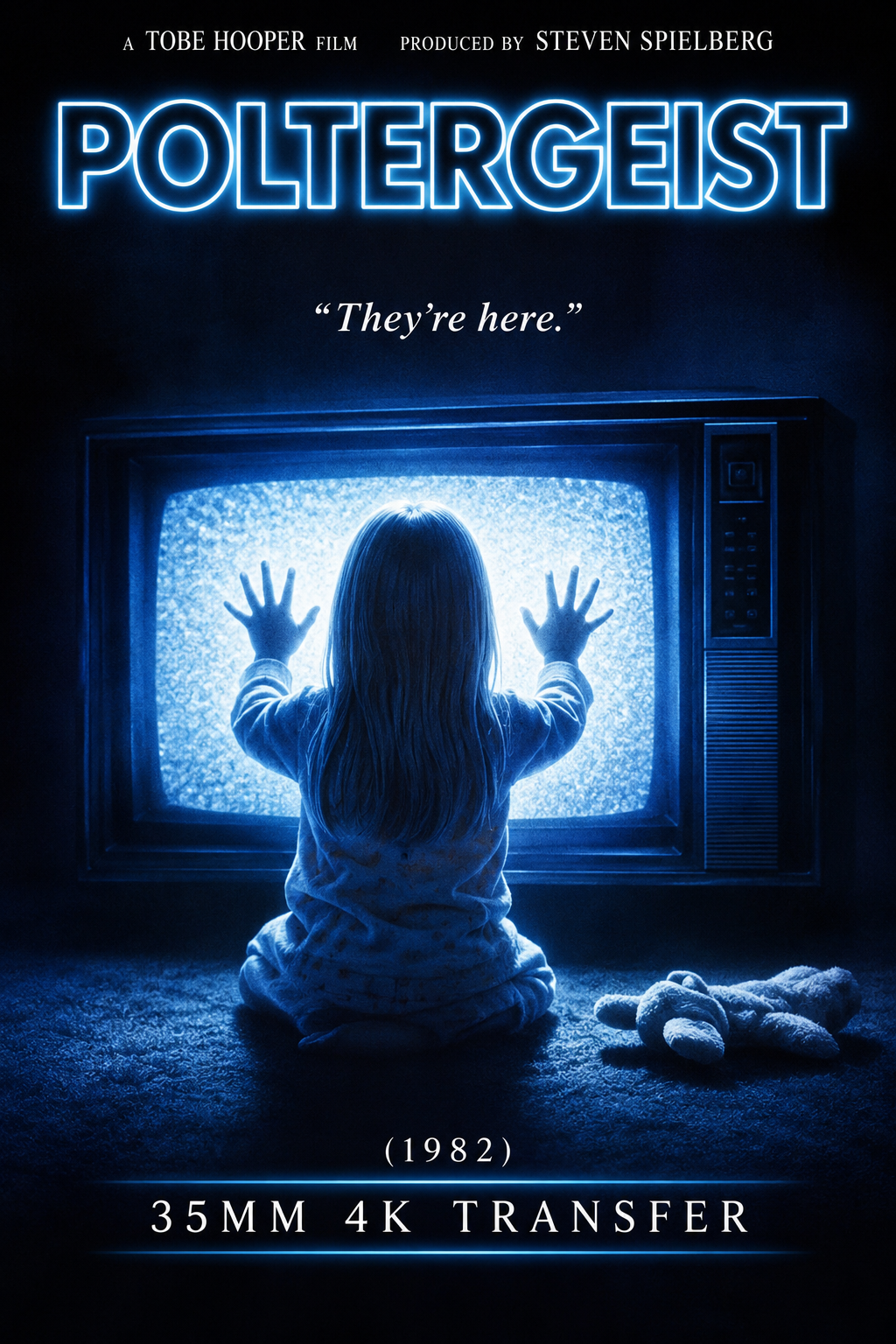
The film's haunting imagery, particularly Carol Anne sitting before a glowing television screen, has become one of the most recognisable images in horror cinema.
A 35mm 4K transfer provides an opportunity to revisit the film's photographic origins and appreciate the remarkable craftsmanship involved in creating its supernatural world.