← BACK TO COLLECTION
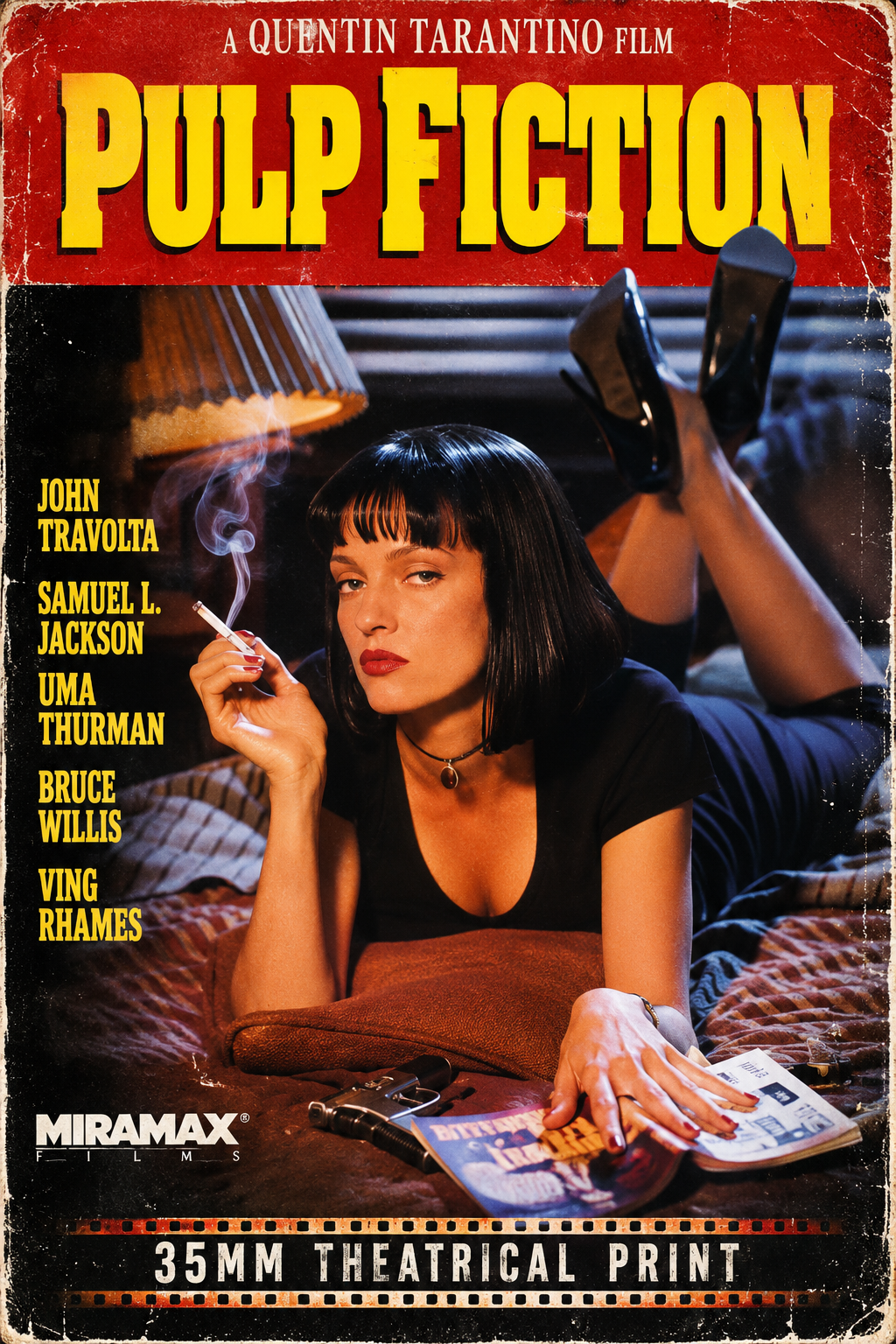
Poster for Pulp Fiction
FILM ARCHIVE / 35MM

Pulp Fiction

35mm1994Action / ThrillerEdition: 1994

From acclaimed writer and director Quentin Tarantino comes Pulp Fiction (1994), a groundbreaking crime thriller that redefined independent cinema with its unconventional storytelling, unforgettable characters and razor-sharp dialogue. Set in the criminal underworld of Los Angeles, the film follows several interconnected stories involving two philosophical hitmen, a struggling boxer, a powerful crime boss and his mysterious wife, and a pair of small-time criminals planning one final robbery. Vincent Vega (John Travolta) and Jules Winnfield (Samuel L. Jackson) are professional hitmen working for ruthless gangster Marsellus Wallace (Ving Rhames). While carrying out seemingly routine assignments, the pair become entangled in a series of increasingly bizarre and dangerous situations. Meanwhile, ageing boxer Butch Coolidge (Bruce Willis) finds himself on the run after betraying a deal with Wallace, while Vincent is entrusted with entertaining the crime boss's wife, Mia Wallace (Uma Thurman), leading to a night of unexpected complications. As the characters' lives intersect through violence, chance encounters and darkly humorous circumstances, Tarantino weaves together a nonlinear narrative exploring crime, loyalty, redemption and the unpredictable consequences of everyday decisions. Featuring an outstanding ensemble cast, an iconic soundtrack and some of the most memorable dialogue in modern cinema, Pulp Fiction became one of the defining films of the 1990s.

DIRECTORQuentin Tarantino
EDITION RUNTIME2 hrs 34 mins
FILE SIZE41.4 GB
FILE FORMATMKV
RESOLUTION1920x1080
THE DIFFERENCES

What changed in this version?

This edition of Pulp Fiction is identified as a Miramax 35mm theatrical print presentation, celebrating the film's original photochemical cinema format.

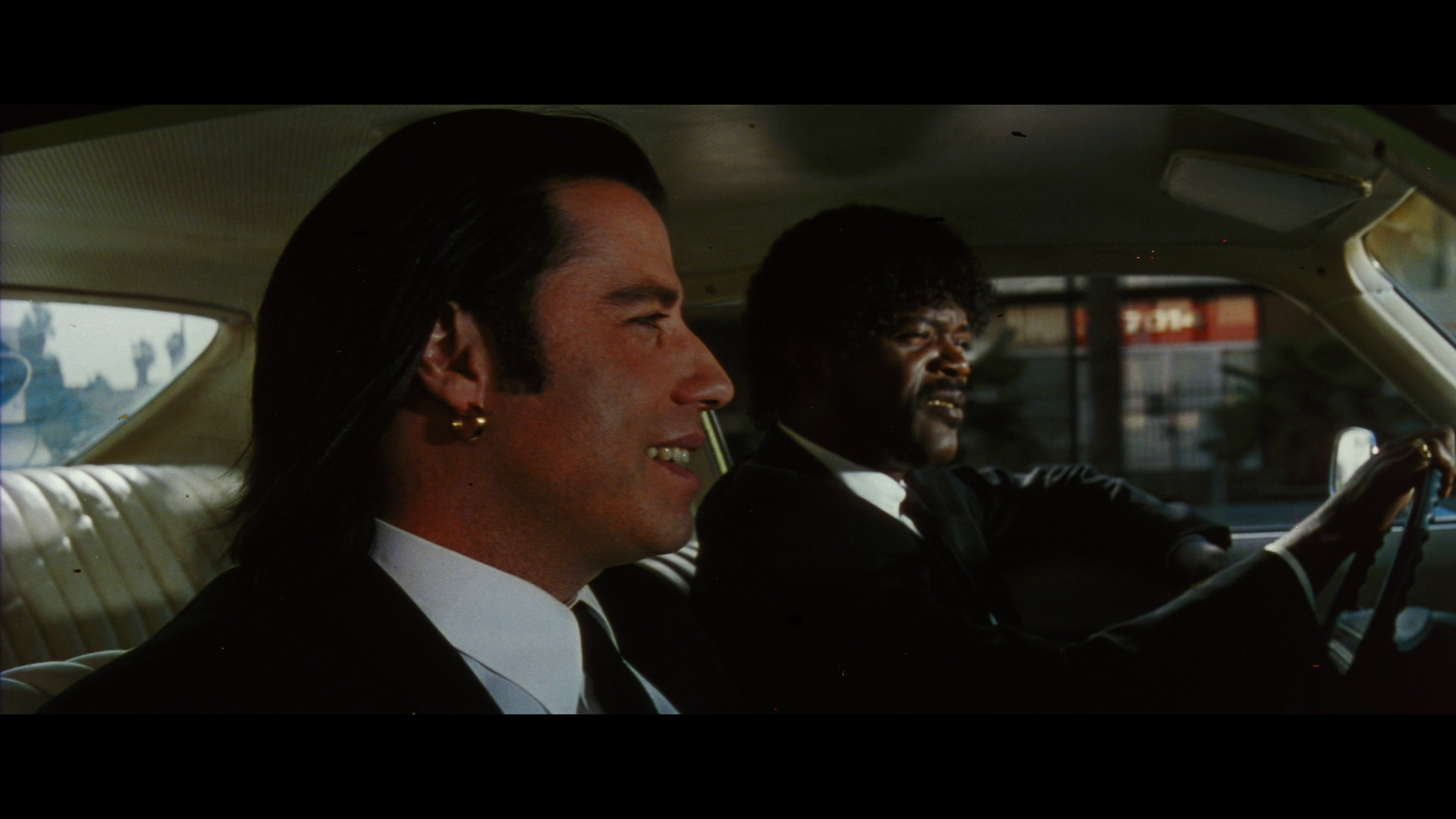
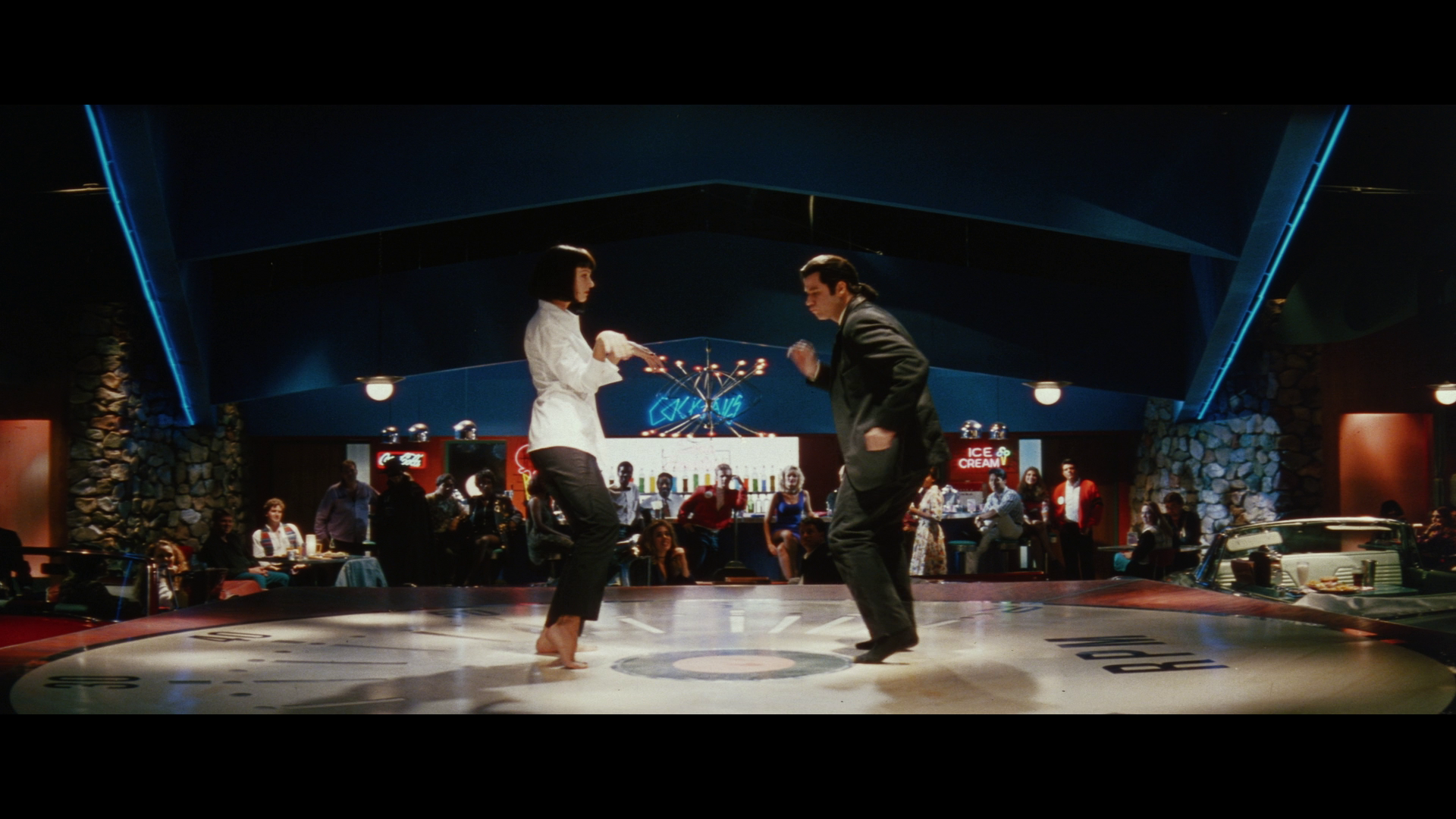
Originally released theatrically in 1994, Pulp Fiction was photographed on 35mm film using Panavision anamorphic lenses, creating the distinctive widescreen compositions that have become synonymous with Quentin Tarantino's filmmaking style.

Distributed by Miramax Films, the original theatrical presentation featured the rich photographic textures, distinctive colour reproduction and natural film grain characteristic of 1990s cinema.

A digital scan sourced from a surviving 35mm theatrical print can offer a different visual experience from modern Blu-ray, 4K UHD and streaming releases.

Rather than originating directly from a modern digital master, a film-print transfer captures the image characteristics of a physical cinema print, potentially preserving subtle colour differences, natural grain, contrast variations and imperfections introduced during the photochemical printing process.

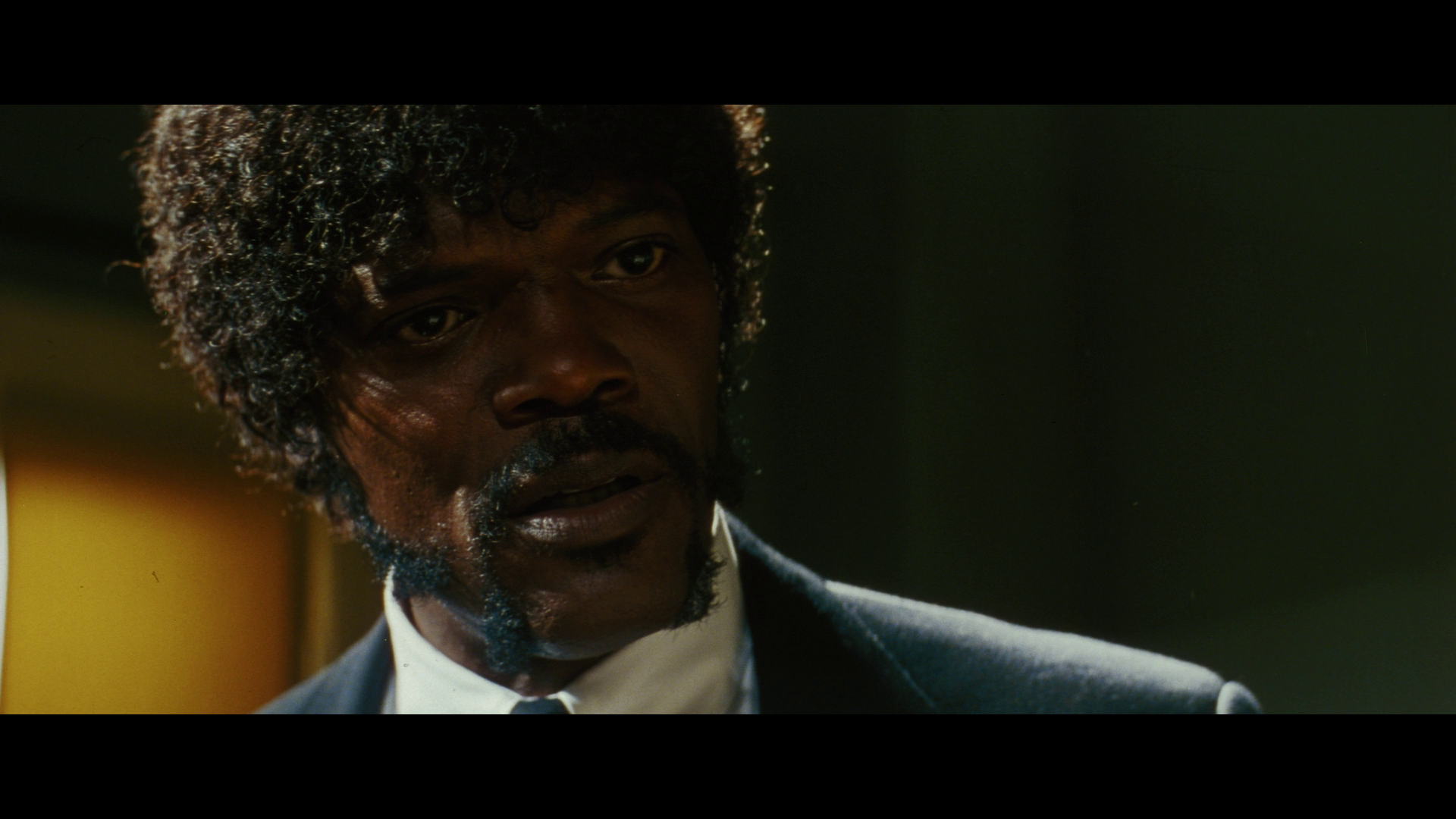
The film's atmospheric interiors, neon-lit restaurants, sun-drenched Los Angeles streets and memorable character close-ups are particularly interesting when experienced through traditional film photography.

For collectors and preservation enthusiasts, a 35mm print scan offers an opportunity to revisit Pulp Fiction through the analogue presentation format used during its original theatrical run.

Differences from Modern Digital Releases


  • A 35mm theatrical print scan may display several distinctive characteristics compared with official digitally restored presentations.
  • Original Film Grain: The natural photographic texture of the 35mm source material may remain visible throughout the film.
  • Theatrical Colour Timing: Colours, contrast and black levels may reflect the characteristics of a photochemically timed cinema print.
  • Anamorphic Widescreen: The original approximately 2.39:1 theatrical composition preserves Tarantino's carefully framed cinematography.
  • Film Print Imperfections: Scratches, dust, reel-change marks and occasional instability may be visible depending on the condition of the source print.
  • Photochemical Image Characteristics: Highlights, shadows and fine image detail may appear different from modern digital restorations.

Historical Significance


Premiering at the Cannes Film Festival in May 1994, Pulp Fiction won the prestigious Palme d'Or before becoming an international critical and commercial success.

Following his directorial debut with Reservoir Dogs (1992), Quentin Tarantino established himself as one of the most influential filmmakers of his generation with a film that challenged conventional narrative structures.

Its nonlinear storytelling, extended conversations, pop-culture references and unexpected bursts of violence created a cinematic style that influenced countless filmmakers throughout the following decades.

The film also revitalised John Travolta's career and brought widespread recognition to Samuel L. Jackson, whose performance as Jules Winnfield became one of cinema's most iconic characters.

At the 67th Academy Awards, Pulp Fiction received seven nominations, including Best Picture, Best Director and three acting nominations. Quentin Tarantino and Roger Avary won the Academy Award for Best Original Screenplay.

The film helped transform Miramax into a major force in American independent cinema and demonstrated that unconventional, dialogue-driven filmmaking could achieve mainstream commercial success.

Today, Pulp Fiction is regarded as one of the most influential films of the 1990s and a landmark achievement in modern American cinema.

A 35mm theatrical print presentation celebrates the film's original cinematic format and provides an alternative perspective on its distinctive visual style.