This workprint edition of 300 offers a rare opportunity to examine an earlier production version of Zack Snyder's visually ambitious historical epic.
Unlike many unfinished workprints containing missing scenes, temporary music or incomplete visual effects, the circulating 300 workprint is remarkably close to the final theatrical release.
The version is understood to represent a late stage of post-production, with the film's editing, dialogue, soundtrack and major visual effects already substantially completed.
However, several visual differences remain, particularly within the digitally created environments and backgrounds.
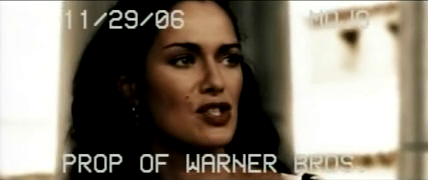
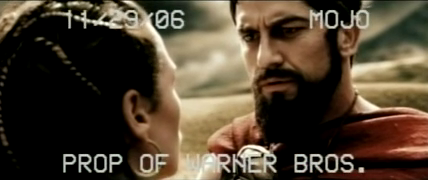
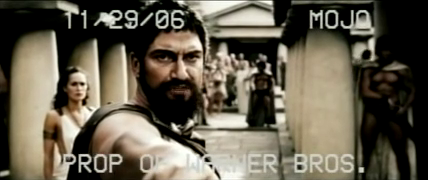
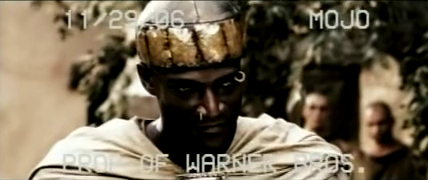
A distinctive feature of this workprint is the presence of on-screen production identification, including the word MOJO, studio information and the date 29 November 2006.
These markings help identify the version as a pre-release production copy rather than a standard theatrical presentation.
The workprint provides an interesting insight into the final visual refinements made before the film's commercial cinema release in March 2007.
Differences from the Theatrical Version
Although the workprint follows essentially the same editing and storyline as the final release, several differences have been documented.
1. Alternate Digital Backgrounds
Certain scenes feature slightly different digitally generated environments.
These variations include adjustments to skies, landscapes and the surrounding atmosphere, demonstrating the final stages of visual-effects refinement.
2. Modified Sea and Sky Composites
Some sequences feature changes to the appearance of the sea and sky.
The theatrical release incorporates additional refinements to these digitally constructed backgrounds.
3. Alternate Cliff Visual Effect
One of the most noticeable differences occurs during the arrival of the Persian messenger in Sparta.
The cliff environment visible during this sequence was reworked for the final theatrical release, with alterations to the digitally animated landscape.
4. Production Identification Overlays
The workprint contains visible production markings throughout the presentation, including:
Studio identification.
The word MOJO.
The date 29 November 2006.
These markings are absent from the standard theatrical release.
5. No Significant Additional Scenes
Unlike some workprint editions, this version does not appear to contain substantial deleted scenes, alternate sequences or major structural editing differences.
The principal differences are visual refinements rather than changes to the story.
6. Near-Final Audio and Editing
Available comparisons indicate that the workprint already contains the completed dialogue, music and sound effects.
Consequently, the version is especially valuable for examining visual post-production changes rather than alternative sound design or editing.
Historical and Preservation Significance
Released theatrically in March 2007, 300 became a major commercial success and helped establish Zack Snyder's reputation for visually stylised blockbuster filmmaking.
The film's distinctive appearance was achieved through extensive digital compositing, allowing actors filmed against predominantly blue-screen environments to inhabit a highly stylised interpretation of ancient Greece.
Its dramatic colour grading, exaggerated contrasts and elaborate computer-generated environments were instrumental in translating Frank Miller's graphic novel into live-action cinema.
The surviving workprint provides an unusual glimpse into the final stages of this production process.
Because the film was so dependent on digital environments, even relatively small changes to backgrounds, lighting and compositing can reveal how its visual identity was refined before release.
For collectors and film preservation enthusiasts, this version represents an interesting piece of production history, documenting a nearly completed stage of one of the most recognisable action films of its era.
Preservation Notes
The circulating 300 workprint is considered a near-final pre-release version of the film.
Although the editing and audio are substantially identical to the theatrical release, several digitally generated environments underwent additional refinement before the film reached cinemas.
The workprint's visible production markings and alternate background compositions distinguish it from the commercially released version.
Its value lies primarily in documenting the final stages of visual-effects production, rather than preserving deleted scenes or an alternative storyline.
300 (2007) – Workprint Edition provides a fascinating behind-the-scenes perspective on Zack Snyder's historical action spectacle, revealing the subtle visual changes made during the final months before its theatrical release.