← BACK TO COLLECTION
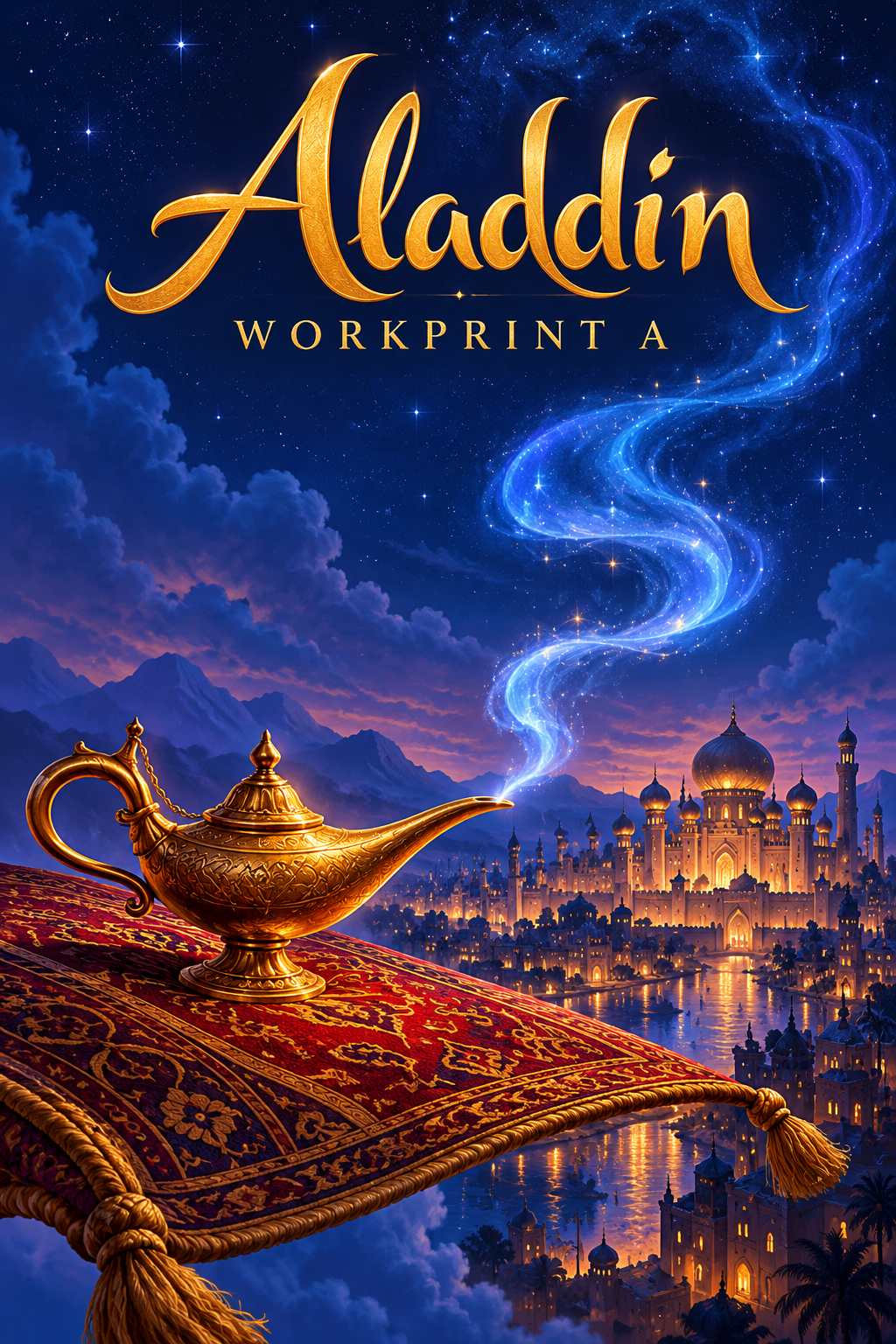
Poster for Aladdin
FILM ARCHIVE / WORKPRINT

Aladdin

Workprint1992Animation

From Walt Disney Feature Animation comes Aladdin (1992), a magical animated adventure filled with romance, comedy, unforgettable characters and spectacular musical sequences. Set in the fictional Arabian city of Agrabah, the story follows Aladdin, a kind-hearted young street thief who dreams of escaping poverty and discovering a better life beyond the crowded marketplace. After a chance encounter with the beautiful Princess Jasmine, Aladdin becomes entangled in the sinister plans of Jafar, the Sultan's power-hungry royal adviser, who seeks an ancient magical lamp hidden deep within the mysterious Cave of Wonders. When Aladdin discovers the lamp and accidentally releases the extraordinary Genie imprisoned inside, he is granted three wishes capable of transforming his life. Hoping to win Jasmine's affection, Aladdin disguises himself as the wealthy Prince Ali, unaware that Jafar is plotting to steal the lamp and seize control of Agrabah. As deception, magic and danger collide, Aladdin must learn that true happiness cannot be achieved through wealth, power or pretending to be someone else. Featuring the unforgettable voice performance of Robin Williams as the Genie, Disney's Aladdin became one of the defining animated films of the 1990s, celebrated for its groundbreaking animation, memorable humour and Academy Award-winning soundtrack.

DIRECTORRon Clements, John Musker
EDITION RUNTIME1 hr 19 mins
FILE SIZE1.81 GB
FILE FORMATMP4
RESOLUTION704x464
↧ DOWNLOAD FROM PIXELDRAIN ↗ View on Pixeldrain ↗

Download served by Pixeldrain; availability, bandwidth limits, and any verification requirements are controlled by Pixeldrain.

THE DIFFERENCES

What changed in this version?

About Workprint A


This early workprint edition of Aladdin provides a remarkable behind-the-scenes glimpse into the production of Disney's 1992 animated masterpiece.

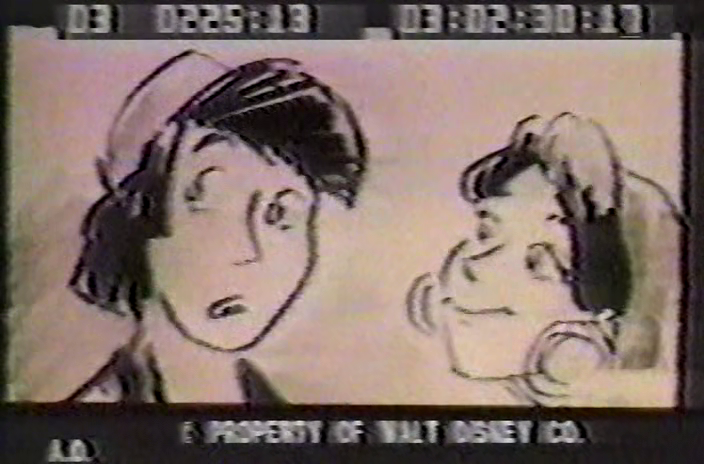
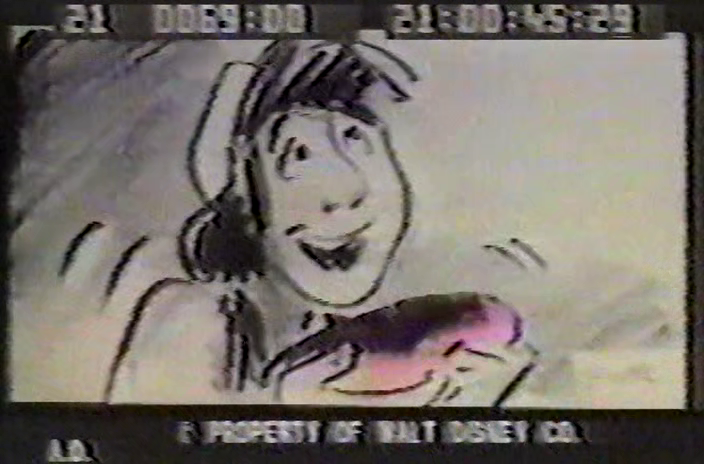
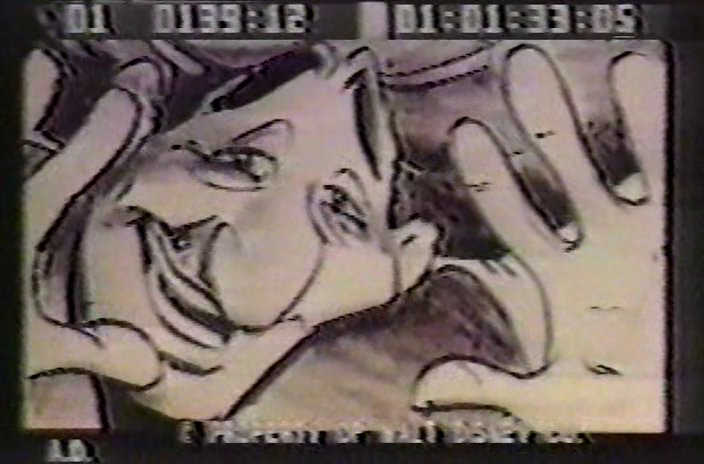
Unlike the completed theatrical release, Workprint A consists predominantly of unfinished storyboard drawings, rough animation sketches and early visual concepts.

The version represents an earlier stage of the film's development, when many sequences had yet to receive their completed character animation, painted backgrounds, colour processing and final visual effects.

Rather than displaying the polished animation familiar to audiences, the workprint frequently presents individual storyboard panels accompanied by dialogue, music and sound effects.

These drawings were used by Disney's production team to establish the timing, movement, staging and narrative structure of the film before the completion of the final animation.

Throughout the workprint, viewers can observe early interpretations of familiar characters, including Aladdin, Princess Jasmine, Genie, Jafar and Abu.

Some sequences contain rough animated pencil drawings, while others remain largely static, revealing how the filmmakers originally planned important moments.

The workprint also includes alternate dialogue, different scene arrangements, unfinished musical sequences and material that was modified or removed before the film's theatrical release.

For Disney animation enthusiasts, this version offers an extraordinary opportunity to witness the creative process behind one of the studio's most successful animated productions.

Differences from the Theatrical Version

  1. Extensive Storyboard Animation
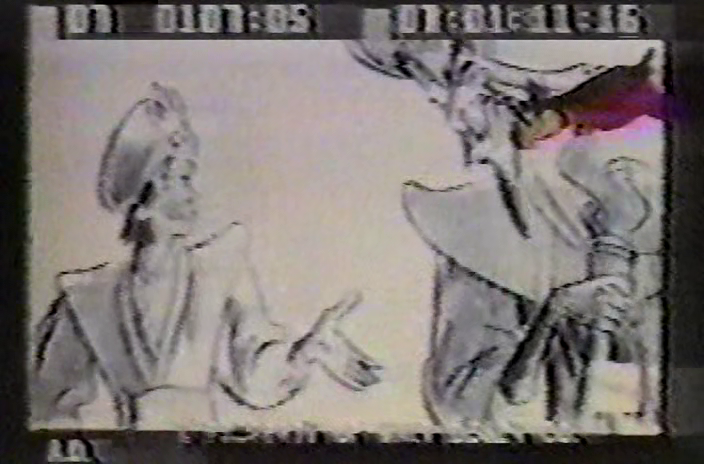
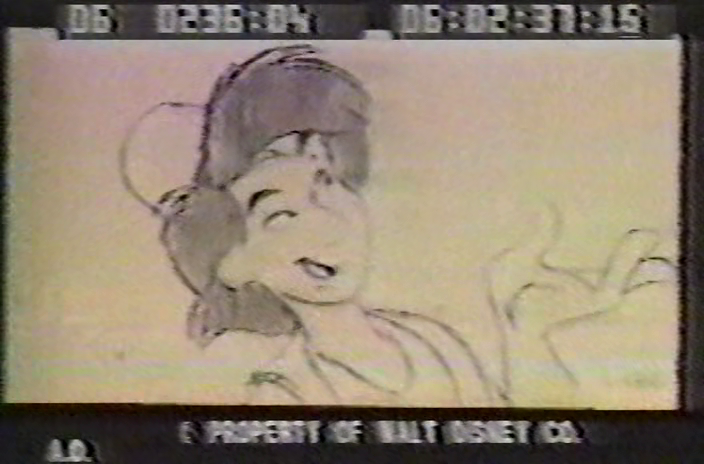
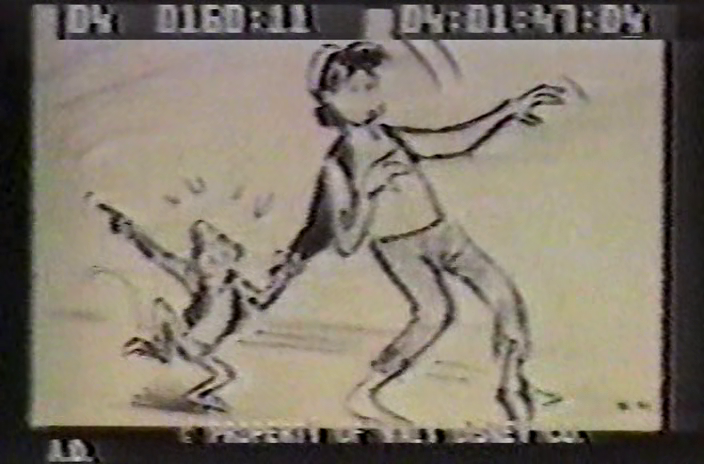
    The most immediately noticeable difference is the overwhelming presence of original storyboard artwork.
    Large sections of the film are represented through black-and-white pencil drawings rather than completed animation.
    These early illustrations establish the characters' expressions, camera angles, movements and interactions before the application of final animation.

  2. Early Character Designs
    Several characters appear in unfinished forms, with simplified facial features, exaggerated expressions and visible construction lines.
    The workprint provides an opportunity to observe how character performances were developed before the completion of the final artwork.

  3. Alternate Dialogue
    Workprint A contains dialogue variations that differ from the theatrical release.
    Certain conversations use alternative wording, while some exchanges were shortened, expanded or rewritten during production.

  4. Different Scene Arrangements
    Several sequences appear in different forms or positions compared with the completed film.
    The opening chase through Agrabah is one notable example, featuring substantial changes in the way the action unfolds.

  5. Unfinished Musical Sequences
    Some musical passages are accompanied by rough artwork and unfinished visual staging.
    These sequences demonstrate how the filmmakers planned character movement, choreography and visual transitions around the soundtrack.

  6. Alternate Story Material
    Workprint A includes certain story elements that were revised or removed before theatrical release.
    Among these are differences involving Jasmine's approaching birthday, conversations within the palace and the development of the relationship between Aladdin and Jasmine.

  7. Temporary Production Markings
    The workprint contains visible production identification, including timecode overlays and studio ownership notices.
    These markings were intended for internal production use and are absent from the completed theatrical release.

  8. Unfinished Visual Presentation
    The workprint retains the appearance of an early production recording, with many shots displaying incomplete artwork, temporary backgrounds and limited animation.
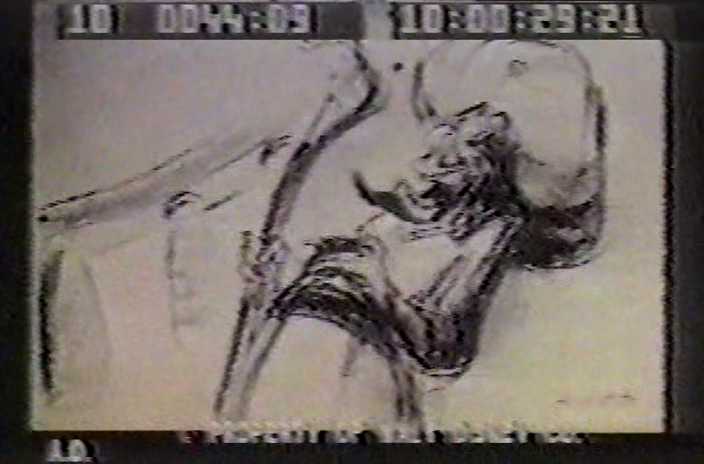
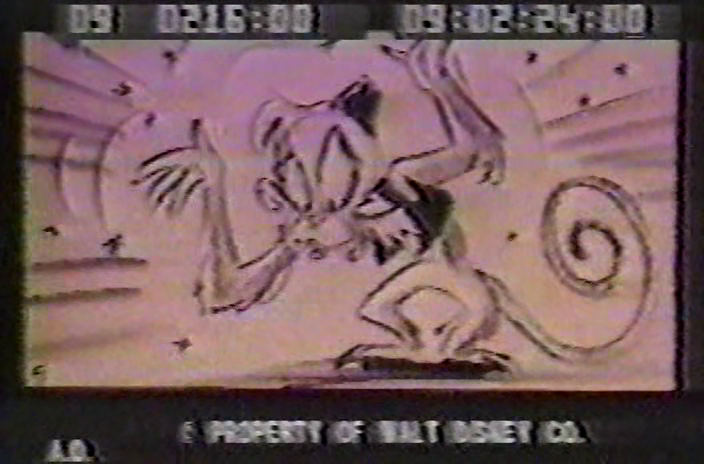
The surviving copy also exhibits the visual characteristics of an older analogue video transfer.

Historical Significance


Released theatrically in November 1992, Aladdin became an enormous commercial and critical success, establishing itself as one of the defining films of the Disney Renaissance.

The film was directed by Ron Clements and John Musker, who had previously directed The Great Mouse Detective (1986) and The Little Mermaid (1989).

Its combination of traditional hand-drawn animation, computer-assisted imagery, musical storytelling and the extraordinary vocal performance of Robin Williams helped transform the possibilities of animated filmmaking.

However, the completed film represents only the final stage of a lengthy creative process involving story development, character redesigns, experimental animation and numerous narrative revisions.

Workprint A preserves a rare glimpse into this development.

The extensive use of storyboards demonstrates the extraordinary importance of visual planning in traditional animation, revealing how the filmmakers constructed scenes before committing to the costly process of producing finished animation.

The alternate dialogue, different editing and unfinished character designs also illustrate how significantly the film evolved before audiences experienced the completed version.

For animation historians, collectors and film preservation enthusiasts, this early workprint represents a fascinating piece of Disney production history.

Preservation Notes


Aladdin (1992) – Workprint A represents a significantly unfinished stage of Disney's animated production and differs extensively from the completed theatrical release.

The surviving version is composed largely of storyboards and preliminary animation, with temporary visual material used to establish the film's structure and pacing.

Visible production identification and timecode overlays demonstrate its origins as a pre-release reference copy.

The edition is particularly notable for preserving earlier scene arrangements, alternate dialogue and character artwork that did not survive unchanged into the final release.

Although two different Aladdin workprints are known to circulate, Workprint A is generally recognised as the earlier and more visually incomplete version.

The exact recording date and original production source of this particular copy have not been independently established.

Aladdin (1992) – Workprint A is an extraordinary surviving glimpse into the creation of a Disney animated classic, preserving the rough drawings, early creative decisions and unfinished sequences that eventually evolved into the magical theatrical experience known around the world.