Bram Stokers Dracula
Directed by Francis Ford Coppola, Bram Stoker's Dracula (1992) is a visually spectacular Gothic horror film that reimagines Bram Stoker's legendary vampire novel as a tragic tale of forbidden love, obsession and eternal damnation. In 1462, the Transylvanian warrior Prince Vlad Dracula returns victorious from battle against the Ottoman Empire, only to discover that his beloved wife, Elisabeta, has taken her own life after receiving false news of his death. Devastated by grief and enraged by the Church's refusal to grant her salvation, Dracula renounces God and embraces the powers of darkness, condemning himself to an existence as an immortal vampire. Centuries later, in 1897, young English solicitor Jonathan Harker (Keanu Reeves) travels to Dracula's remote Transylvanian castle to arrange a property transaction. There, he discovers that his mysterious host possesses terrifying supernatural powers. When Dracula encounters a photograph of Jonathan's fiancée, Mina Murray (Winona Ryder), he becomes convinced that she is the reincarnation of his long-lost Elisabeta. Travelling to Victorian London, Dracula begins a campaign of seduction and terror, drawing Mina into his dark world while preying upon her friend Lucy Westenra. As the mysterious Professor Abraham Van Helsing (Anthony Hopkins) investigates the supernatural threat, Jonathan and his companions must confront an ancient evil capable of destroying everything they hold dear. Featuring extraordinary practical effects, elaborate costumes, atmospheric cinematography and an unforgettable performance by Gary Oldman, Bram Stoker's Dracula remains one of the most distinctive vampire films ever produced.
↧ DOWNLOAD FROM PIXELDRAIN ↗ View on Pixeldrain ↗Download served by Pixeldrain; availability, bandwidth limits, and any verification requirements are controlled by Pixeldrain.
What changed in this version?
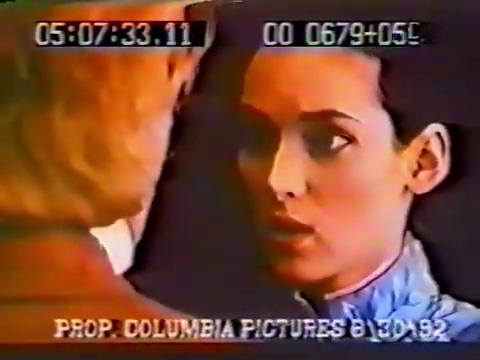
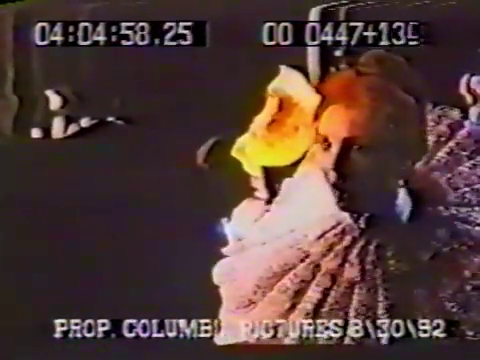
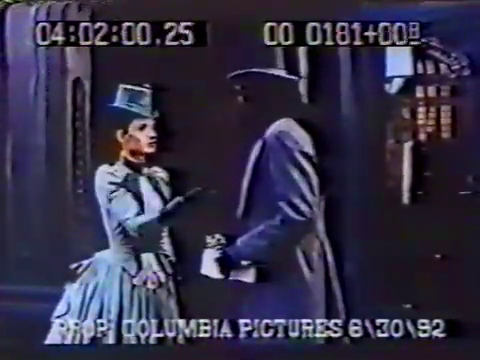
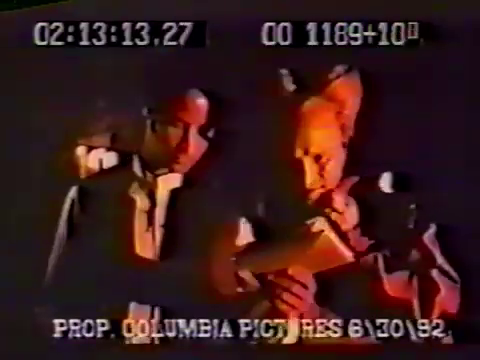
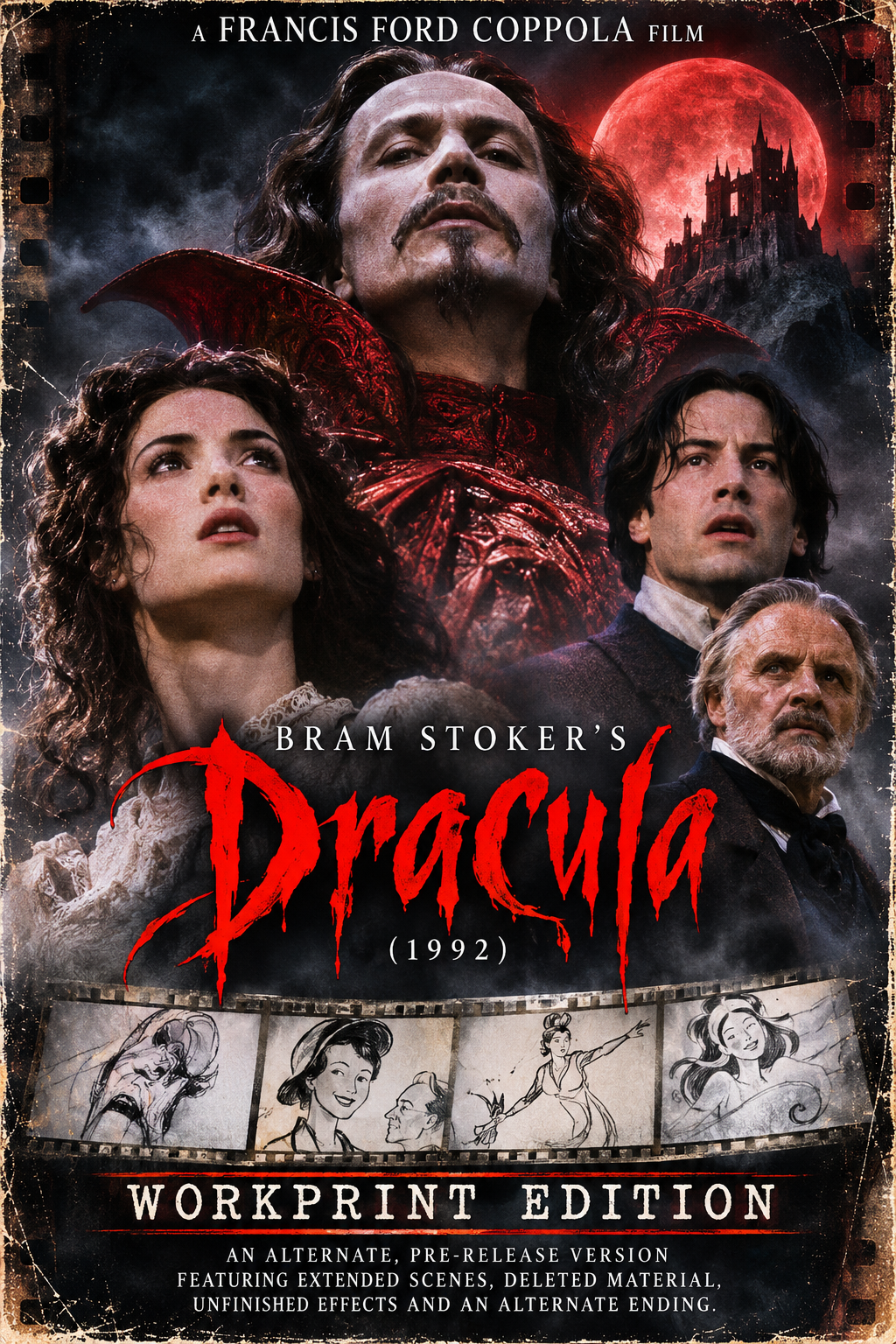
This rare workprint edition of Bram Stoker's Dracula offers a fascinating look at an earlier stage of Francis Ford Coppola's Gothic horror masterpiece.
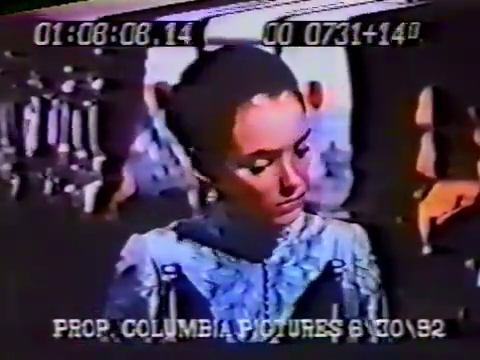
Unlike the completed theatrical release, the circulating workprint contains a substantial number of alternate scenes, extended sequences, different editing decisions and unfinished visual effects.
The workprint is particularly significant because it preserves material that was either removed, shortened or completely restructured before the film reached cinemas in November 1992.
Several scenes feature alternative camera angles, longer conversations and additional character interactions, while other sequences appear in a noticeably different order.
The opening prologue, Jonathan Harker's experiences inside Dracula's castle, the London sequences and the film's climax all contain substantial variations.
Some unfinished effects are represented by temporary imagery, including storyboard illustrations, while certain scene transitions and compositing effects differ from the completed theatrical presentation.
One of the most important differences is the film's alternate ending, which significantly changes the final moments between Dracula and Mina.
For collectors and film historians, this version provides a rare opportunity to examine how Coppola's ambitious production evolved during editing and post-production.
Differences from the Theatrical Version
1. Alternate Opening Prologue
The workprint features a substantially different opening sequence.
The original theatrical introduction to Vlad Dracula and Elisabeta is rearranged, with additional religious imagery and alternate footage.
Some material from the completed opening is absent, while other scenes show Dracula receiving a blessing before battle.
Storyboard imagery also appears during portions of the historical introduction.
2. Extended Jonathan Harker Castle Scenes
Jonathan's arrival at Dracula's castle includes additional footage not present in the theatrical version.
One notable sequence shows Dracula leading Jonathan through the castle, occasionally appearing unexpectedly behind him.
Their conversations also contain extended dialogue and alternative camera angles.
These additions further emphasise the castle's disturbing atmosphere and Dracula's supernatural abilities.
3. Additional Mina and Lucy Material
Several scenes involving Mina and Lucy are longer or arranged differently.
The workprint includes alternative conversations and additional interactions with supporting characters.
An extended social gathering provides further character development and more material involving Lucy's suitors.
4. Alternate Vampire Brides Sequence
Jonathan's encounter with Dracula's brides contains different editing and imagery.
The sequence uses alternative shots, different transitions and variations in the presentation of the supernatural attack.
Some moments appear in a different order, while others were shortened or replaced for the theatrical release.
5. Expanded Castle Exploration
Additional footage shows Jonathan exploring Dracula's castle and discovering its disturbing secrets.
The workprint contains longer passages involving mysterious workers, hidden chambers and Dracula's coffin.
Some scenes feature alternative movement and staging.
6. Different Visual Effects
Several sequences display unfinished or alternate special effects.
Examples include temporary storyboard illustrations, different supernatural transitions and altered compositions.
Certain sequences lack the completed visual treatments seen in the theatrical version.
These differences provide insight into the film's unusual combination of practical effects, optical photography and in-camera techniques.
7. Alternate Editing and Scene Order
The workprint features numerous changes to the arrangement of scenes.
Some sequences appear earlier or later than in the completed film, while others use substantially different camera angles.
The final carriage chase is particularly notable for its alternative editing and extended footage.
8. Additional Dialogue and Character Interactions
Various conversations involving Dracula, Jonathan, Mina, Lucy and Van Helsing contain additional dialogue.
Some exchanges provide more information about the characters and their motivations, while others were reduced to improve the pacing of the theatrical release.
9. Alternate Dracula and Mina Scenes
Several romantic and supernatural encounters between Dracula and Mina contain different footage.
Some scenes feature additional dialogue, extended physical interactions and different visual compositions.
The sequence in which Dracula offers Mina his blood also features changes to the presentation of the supernatural transformation.
10. Alternate Ending
Perhaps the most historically significant difference is the workprint's alternate conclusion.
In the theatrical release, Mina remains with Dracula inside the chapel and ultimately ends his suffering by decapitating him.
The workprint presents a different conclusion in which Van Helsing enters the chapel after Dracula's death.
Mina leaves the chapel and returns towards the waiting carriage, while the camera moves across Dracula's lifeless body towards the altar.
This alternate ending changes the emotional emphasis of the film's final moments, providing a different interpretation of Dracula's tragic fate.
Historical Significance
Released in November 1992, Bram Stoker's Dracula represented Francis Ford Coppola's ambitious attempt to return the vampire legend to its Gothic literary roots.
Rather than relying predominantly on contemporary digital technology, Coppola encouraged his production team to employ traditional cinematic techniques.
The film features elaborate practical effects, forced perspective, double exposures, shadow effects and optical illusions inspired by the earliest years of motion-picture photography.
Its extraordinary costume designs, created by Eiko Ishioka, became one of the film's defining visual elements.
The film received four Academy Award nominations and won three Oscars for Costume Design, Makeup and Sound Effects Editing.
The surviving workprint offers an unusually detailed examination of the editing and post-production decisions involved in creating this visually complex production.
Its extended scenes, different editing choices and alternate conclusion provide valuable insight into how the film's narrative and emotional impact were refined before release.
For collectors, preservation enthusiasts and admirers of Francis Ford Coppola, this version represents an important piece of early-1990s cinema history.