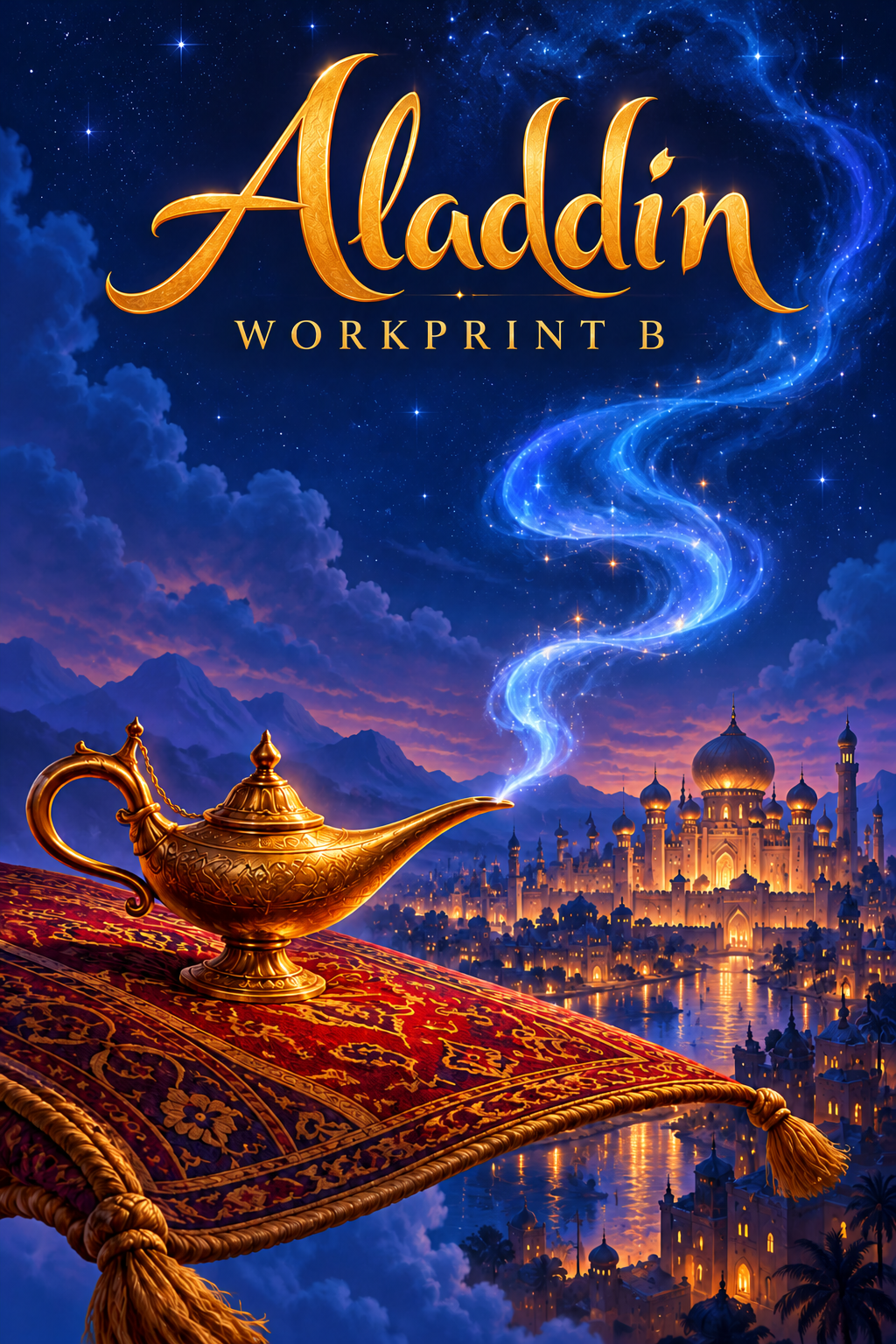
Aladdin
Walt Disney's Aladdin (1992) is a magical animated adventure that transports audiences to the enchanting Arabian city of Agrabah, where a young street thief discovers that his destiny may be far greater than he ever imagined. Aladdin is a kind-hearted young man living on the streets with his mischievous monkey companion, Abu. Despite his difficult circumstances, he dreams of a better life beyond the marketplace. When he encounters the beautiful Princess Jasmine, who has secretly escaped the palace in search of freedom, the two develop an unexpected connection. However, their meeting attracts the attention of the sinister royal adviser Jafar, who believes Aladdin is the only person capable of retrieving a mysterious magical lamp from the legendary Cave of Wonders. After discovering the lamp, Aladdin releases an extraordinary Genie who offers him three wishes. Hoping to win Jasmine's affection, he transforms himself into the wealthy Prince Ali, but soon discovers that appearances and riches cannot replace honesty and courage. As Jafar plots to seize the lamp and take control of Agrabah, Aladdin must overcome deception, danger and his own insecurities to save the kingdom and discover his true worth. Featuring unforgettable characters, spectacular animation and a celebrated soundtrack, Aladdin became one of the defining achievements of Disney's animated renaissance.
↧ DOWNLOAD FROM PIXELDRAIN ↗ View on Pixeldrain ↗Download served by Pixeldrain; availability, bandwidth limits, and any verification requirements are controlled by Pixeldrain.
What changed in this version?
About Workprint B
This rare pre-release workprint of Aladdin represents a significantly more advanced stage of the film's production than the earlier Workprint A.
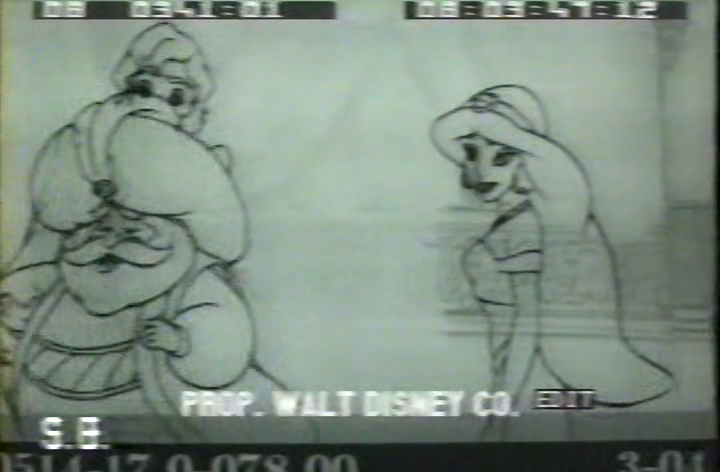
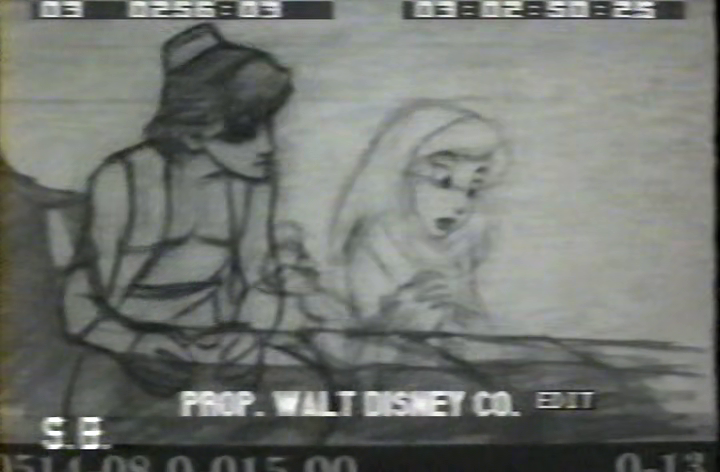
Where Workprint A consists predominantly of unfinished storyboard drawings and preliminary animation, Workprint B contains largely completed animation, closely resembling the final theatrical release.
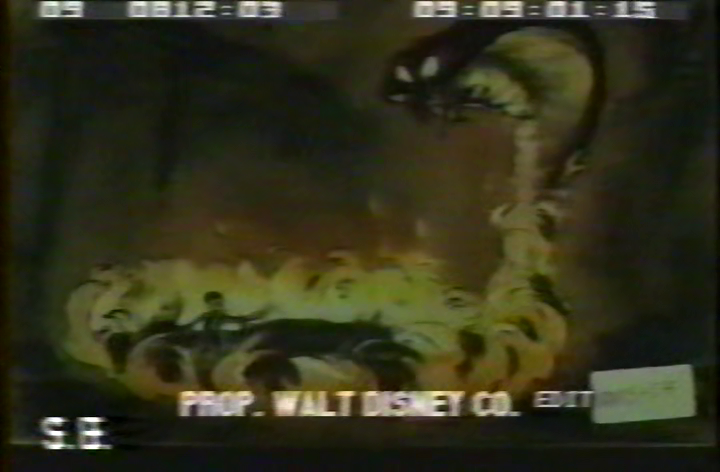
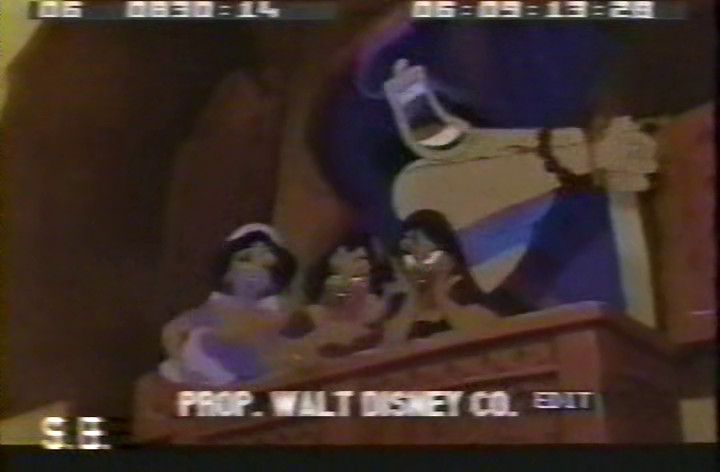
Most of the characters, backgrounds, visual effects and musical sequences are already substantially finished, although several sections retain rough pencil animation, unfinished drawings and occasional storyboard panels.
The version provides a fascinating glimpse into the final stages of Disney's traditional animation process, revealing the refinements made to character performances, dialogue, editing and visual presentation before the film reached cinemas in November 1992.
Although much closer to the completed film, Workprint B still contains several noticeable differences.
These include alternative dialogue, different camera compositions, minor additional footage, missing scenes and variations in the film's opening and conclusion.
Most significantly, the workprint preserves an alternate ending that reveals an unexpected connection between the mysterious travelling merchant and the Genie.
This ending was ultimately abandoned for the theatrical release.
For collectors and animation historians, Workprint B offers a particularly interesting look at a nearly completed Disney animated feature before its final creative decisions were implemented.
Differences from the Theatrical Version
1. Mostly Completed Animation
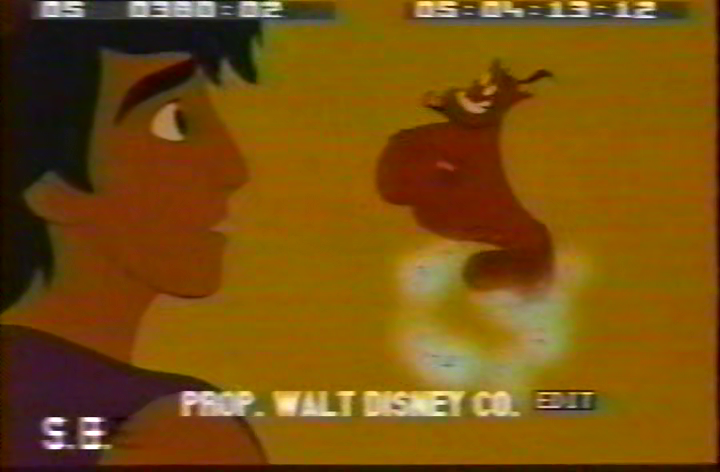
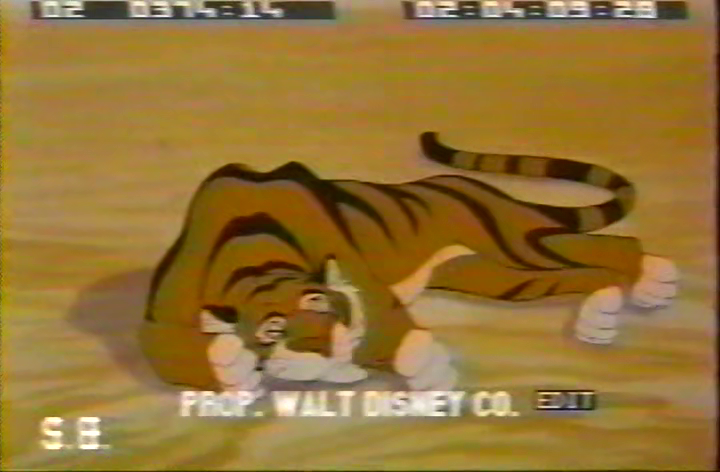
Unlike Workprint A, the majority of Workprint B contains fully animated and coloured scenes.
The characters, environments and major action sequences closely resemble their final theatrical counterparts.
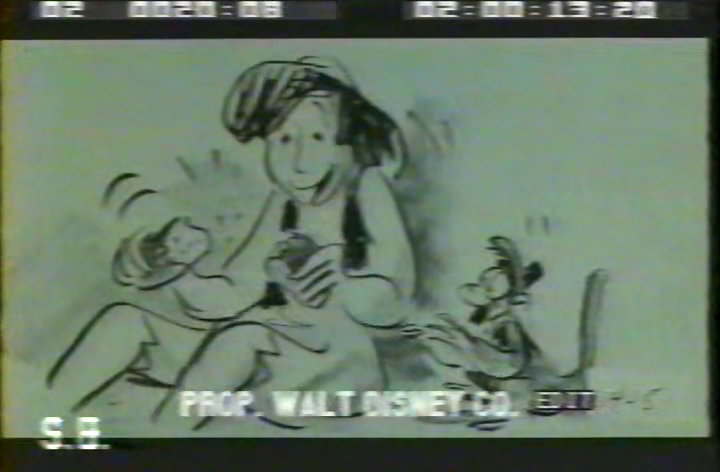
However, several moments retain rough pencil sketches or incomplete animation, revealing the final stages of production.
Occasional storyboard panels are also present.
2. Original Disney Opening Logo
The workprint contains the older Walt Disney opening logo rather than the updated logo appearing on later home-video presentations.
This provides an interesting difference when comparing the workprint with modern Blu-ray releases.
3. Alternative Opening Titles
Some of the opening titles differ from the completed film.
Following the film's title card, certain additional credits present in the theatrical version are absent from the workprint.
4. Original Arabian Nights Lyrics
Workprint B preserves the original, unaltered opening lyrics of Arabian Nights.
These lyrics were subsequently modified in later home-video releases following criticism of their wording.
The workprint therefore provides an interesting record of the soundtrack before those later changes.
5. Alternate Cave of Wonders Dialogue
During the opening sequence involving Gazeem and the Cave of Wonders, the magical cave delivers an alternative version of its dialogue concerning who is permitted to enter.
Although the overall meaning remains similar, the wording differs from the completed theatrical version.
6. Alternate Iago Animation
During an early palace sequence involving Jafar and the Sultan, Iago is shown in a different animated shot.
His facial expression and reaction differ subtly from the completed film, demonstrating refinements made to character animation.
7. Additional Marketplace Dialogue
Following a sequence involving Aladdin and Abu, the workprint includes an additional background merchant's voice advertising his goods.
This dialogue is absent from the completed theatrical version, which instead features general marketplace ambience.
8. Additional Cave of Wonders Footage
The workprint contains a brief additional shot during the sequence involving Aladdin's escape from the Cave of Wonders.
The extra footage provides a slightly different visual transition but does not substantially alter the sequence.
9. Missing Jasmine and Sultan Conversation
A conversation between Jasmine and her father concerning Jafar is absent from Workprint B.
The scene appears in the completed theatrical version and helps develop the aftermath of Jafar's actions.
Its absence suggests that this material was incorporated relatively late in the editing process.
10. Alternate Final Scene – The Merchant Revealed
One of the most fascinating differences occurs at the conclusion of the film.
In the theatrical version, the story ends with Aladdin and Jasmine flying together on the Magic Carpet.
Workprint B contains an additional concluding sequence featuring the mysterious merchant who originally introduced the story.
During this alternate ending, the merchant reveals himself to be the Genie.
This revelation establishes that the travelling merchant and Genie are the same character, explaining how the merchant came to possess the magical lamp and why he knows Aladdin's story.
The idea was abandoned for the theatrical release, leaving the merchant's identity unexplained.
The alternate ending remains one of the most significant surviving differences in Workprint B and provides a fascinating insight into Disney's original storytelling intentions.
Workprint A vs Workprint B
Two different pre-release versions of Aladdin are known to circulate, each representing a distinct stage of the film's development.
FeatureWorkprint AWorkprint BProduction StageEarlier assemblyNear-final versionAnimationMostly storyboardsMostly finishedPencil DrawingsExtensiveOccasionalFinished BackgroundsLimitedMostly completeAlternate DialogueExtensiveMinor variationsEditing DifferencesSignificantRelatively minorMissing ScenesYesYesAlternate EndingEarly story variationsMerchant revealed as GenieDocumented Runtime79:4384:29Theatrical SimilarityLowHighWorkprint A offers an extensive look at the early creative process, while Workprint B demonstrates how the film approached its final theatrical form.
Together, these two versions provide a remarkable opportunity to examine the evolution of Disney's Aladdin from preliminary storyboards to completed animation.
Workprint A offers an extensive look at the early creative process, while Workprint B demonstrates how the film approached its final theatrical form.
Together, these two versions provide a remarkable opportunity to examine the evolution of Disney's Aladdin from preliminary storyboards to completed animation.
Historical Significance
Released on 25 November 1992, Aladdin became one of Disney's most commercially successful animated features and an important milestone in the Disney Renaissance.
Directed by Ron Clements and John Musker, the film combined traditional hand-drawn animation with innovative computer-generated imagery, elaborate musical sequences and unforgettable character performances.
Robin Williams' extraordinary vocal performance as the Genie transformed expectations of celebrity voice acting in animation, inspiring countless animated productions throughout the following decades.
The film also won two Academy Awards, recognising Alan Menken's musical score and the song A Whole New World.
However, the completed film represents the final result of years of story development, animation, editing and creative experimentation.
The surviving workprints offer rare insight into this complex process.
Workprint B is especially significant because it preserves the film at a stage when most of the animation was already completed but certain creative decisions had not yet been finalised.
Its alternate ending, featuring the revelation that the merchant is actually the Genie, is particularly valuable because it documents an abandoned narrative concept that would have changed the way audiences interpreted the film's opening.
The additional dialogue, unfinished animation and small editorial differences further demonstrate the detailed work involved in preparing a major animated feature for theatrical release.
For Disney historians, collectors and film preservation enthusiasts, Workprint B represents a fascinating piece of animation production history.