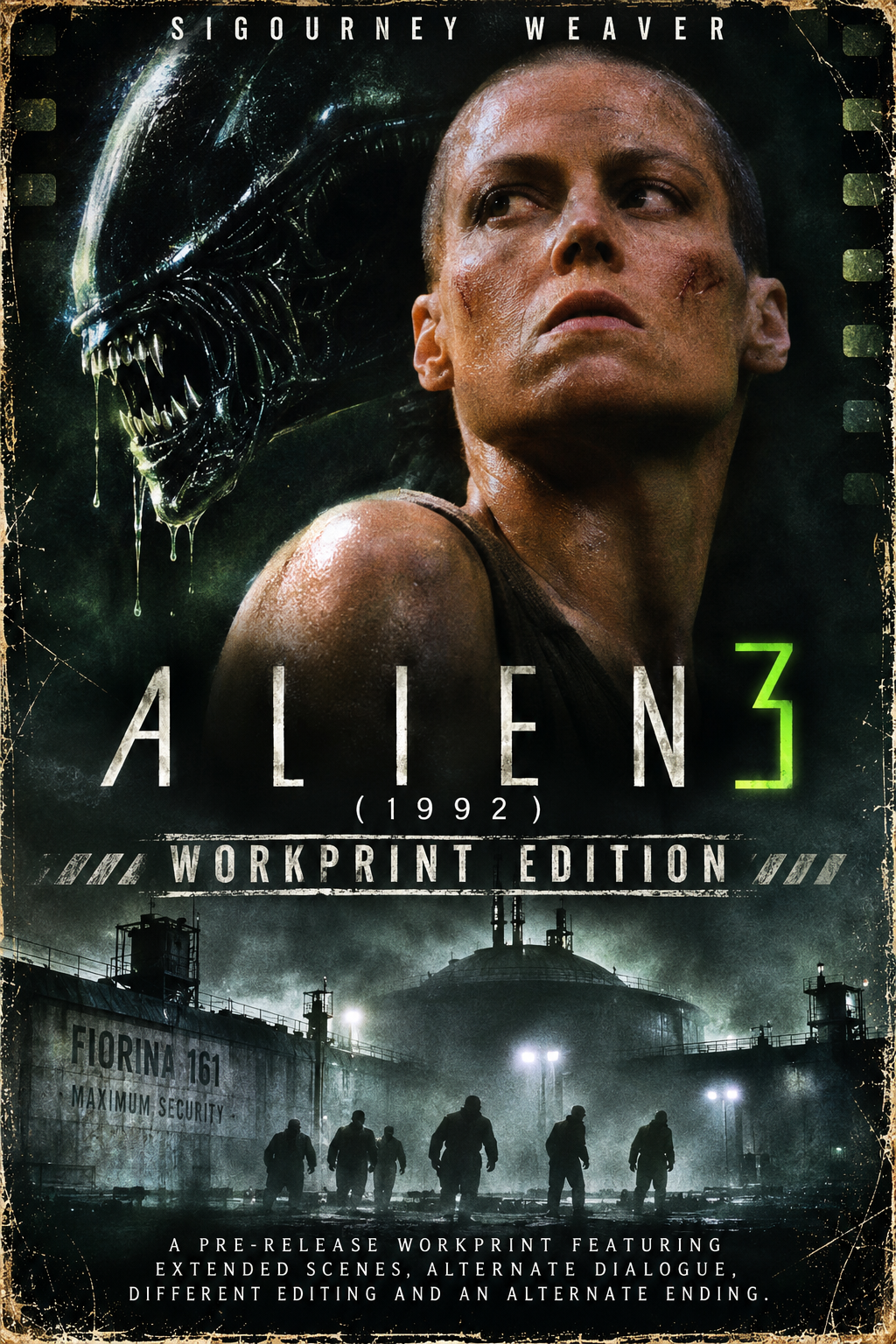
Alien 3
Directed by David Fincher, Alien 3 (1992) is a dark and atmospheric science-fiction horror film that continues the terrifying story of Ellen Ripley, the sole survivor of humanity's repeated encounters with the deadly Xenomorph species. Following the devastating events of Aliens (1986), Ripley's escape pod crash-lands on Fiorina 161, a remote industrial prison planet inhabited by a small group of violent male convicts who have embraced a strict religious existence. Ripley soon discovers that her companions, including young Newt and Corporal Hicks, have perished in the crash, leaving her isolated in an unfamiliar and deeply hostile environment. As she struggles to come to terms with her losses, a new horror emerges when a deadly alien creature begins stalking the prison's labyrinth of tunnels, ventilation shafts and industrial facilities. With no conventional weapons available and little hope of rescue, Ripley must convince the surviving prisoners to set aside their differences and confront an enemy capable of killing them all. However, as the bodies begin to accumulate, Ripley makes a horrifying discovery about her own connection to the creature and the true intentions of the Weyland-Yutani Corporation. Facing impossible odds, she must decide how far she is willing to go to prevent the alien species from falling into the wrong hands. Featuring Sigourney Weaver's powerful performance, haunting industrial environments and an uncompromising atmosphere of despair, Alien 3 remains one of the darkest and most controversial entries in the Alien franchise.
↧ DOWNLOAD FROM PIXELDRAIN ↗ View on Pixeldrain ↗Download served by Pixeldrain; availability, bandwidth limits, and any verification requirements are controlled by Pixeldrain.
What changed in this version?
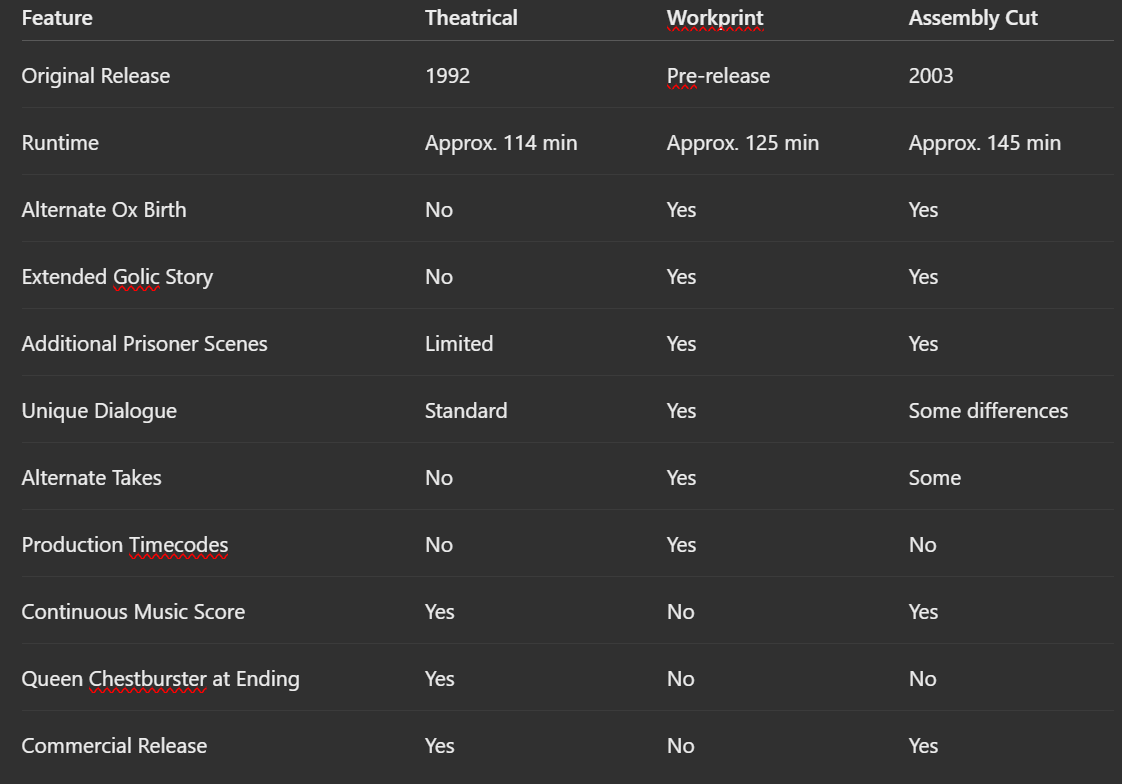
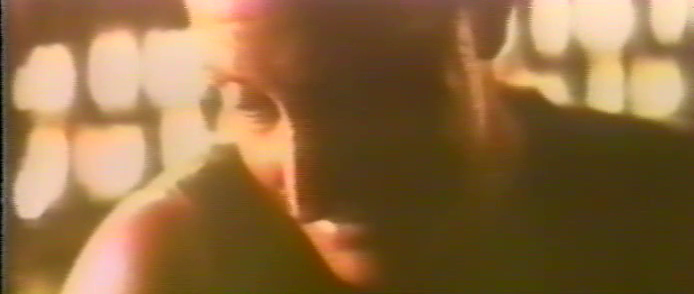
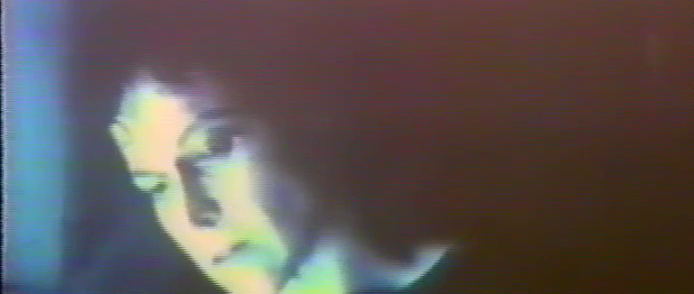
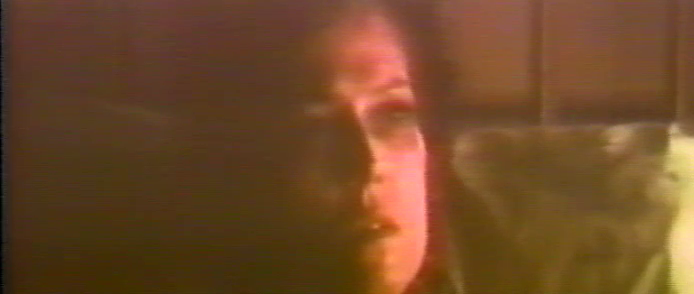
This rare pre-release workprint of Alien 3 provides a fascinating glimpse into the troubled production and editing history of David Fincher's directorial debut.
Unlike the standard theatrical release, the surviving workprint contains numerous extended scenes, alternative dialogue, different editing decisions and sequences absent from the finished film.
The version also differs from the officially released Assembly Cut, making it a distinct and historically significant presentation.
The circulating workprint was reportedly assembled before the film's theatrical release in May 1992 and preserves material removed or substantially altered during post-production.
It features an unfinished soundtrack, with no continuous musical score, alongside visible production timecodes and temporary reel identification cards.
These production markings establish its status as an internal editing reference rather than a completed theatrical presentation.
The workprint is particularly valuable because it preserves several character interactions and narrative developments that were significantly reduced in the theatrical release.
Additional scenes involving the prison population, the alien's capture and escape, Ripley's growing desperation and the arrival of Weyland-Yutani representatives provide a different perspective on the story.
For collectors and film preservation enthusiasts, this edition offers a rare opportunity to examine the development of one of the most famously troubled major studio productions of the early 1990s.
Differences from the Theatrical Version
1. Extended Opening Sequences
The workprint features a longer opening section establishing the aftermath of the Sulaco disaster and Ripley's arrival on Fiorina 161.
Additional shots and alternative editing provide a different introduction to the prison colony and its inhabitants.
Some sequences appear in a different order compared with the final theatrical version.
2. Alternate Alien Birth Sequence
One of the most significant differences concerns the creature's origins.
The theatrical release shows the alien emerging from a dog, while the extended Assembly Cut presents an alternative sequence involving a dead ox.
The circulating workprint follows the ox-based version of the story, with different editing and unfinished presentation elements.
This substantially changes the creature's introduction and the circumstances surrounding its arrival.
3. Additional Prisoner Character Development
Several supporting characters receive additional dialogue and screen time.
The expanded material provides a greater understanding of the prisoners' personalities, relationships and religious beliefs.
Characters who receive relatively little attention in the theatrical release are given more prominent roles.
4. Murphy's Alternate Song
During the sequence in which prisoner Murphy enters the ventilation system, the workprint features him singing Paint It, Black by the Rolling Stones.
In the theatrical release, he instead sings In the Year 2525 by Zager and Evans.
The workprint also includes variations in the sequence's editing and presentation of the creature.
5. Extended Golic Storyline
The disturbed prisoner Golic plays a significantly larger role in the workprint.
After witnessing the alien's terrifying abilities, Golic becomes increasingly fascinated by the creature and develops an almost religious obsession with it.
This storyline culminates in his escape from confinement and his decision to release the captured alien.
The sequence provides an explanation for how the creature escapes after the prisoners initially succeed in trapping it.
Much of this material was removed from the theatrical release but later restored in the Assembly Cut.
6. Alternate Alien Capture Sequence
The attempt to trap the alien inside the prison's toxic waste facility differs substantially from the theatrical release.
The workprint retains the storyline in which the prisoners temporarily succeed in capturing the creature.
Several scenes feature different editing, additional dialogue and alternative shots.
The expanded sequence gives greater significance to the prisoners' original plan and the consequences of its failure.
7. Extended Ripley and Clemens Scenes
Ripley's conversations with prison doctor Jonathan Clemens contain additional dialogue and alternative takes.
These scenes provide more information about the history of Fiorina 161, Clemens' troubled past and Ripley's emotional state.
Some exchanges are presented with different camera angles or dialogue recordings.
8. Additional Weyland-Yutani Communications
The workprint contains longer sequences involving the prison administration's communications with the Weyland-Yutani Corporation.
Additional dialogue reveals the company's growing interest in Ripley's condition and the surviving alien organism.
These scenes strengthen the film's themes of corporate exploitation and the expendability of human life.
9. Extended Final Chase
The climactic attempt to lure the alien through the prison's industrial corridors includes additional shots and dialogue.
Several prisoners receive expanded moments during the chase, while certain deaths are presented differently.
Some sequences were shortened or rearranged for the completed theatrical release.
10. Alternate Ripley Death Sequence
The workprint features an alternative version of Ripley's final confrontation with the Weyland-Yutani representatives.
Her decision to sacrifice herself unfolds with different timing, dialogue and editing.
Most significantly, the workprint does not feature the Queen Alien bursting from Ripley's chest during her fall into the furnace.
Instead, her death is presented more simply, placing greater emphasis on her deliberate sacrifice.
The workprint also includes alternative final shots and a different arrangement of the closing sequences.
Differences Between the Workprint and Assembly Cut
Although the Assembly Cut restores substantial material removed from the theatrical version, it is not identical to the surviving workprint.
The Assembly Cut was assembled for the 2003 Alien Quadrilogy DVD release, using production documentation and surviving footage to reconstruct a longer version of the film.
The workprint, by contrast, represents an actual pre-release editing stage.
The workprint contains certain alternate dialogue recordings, scene arrangements and additional shots that were not incorporated into the Assembly Cut.
Likewise, the Assembly Cut includes material not found in the surviving workprint.
Neither version should be considered an officially approved David Fincher director's cut.
Historical Significance
Released in May 1992, Alien 3 marked the feature-film directorial debut of David Fincher, who would later become internationally acclaimed for Se7en, Fight Club, Zodiac and The Social Network.
However, the production was notoriously difficult.
The project underwent numerous script revisions, changes in creative direction and significant studio interference before and during filming.
Earlier versions of the screenplay explored radically different settings and storylines, including a wooden planet inhabited by monks and a space-station environment.
By the time Fincher joined the production, substantial creative and financial commitments had already been made.
The resulting film underwent extensive editing and restructuring, leading to the removal of numerous scenes and significant alterations to the narrative.
Fincher has publicly expressed dissatisfaction with the finished production and did not participate in the creation of the later Assembly Cut.
The surviving workprint is therefore especially important as a record of the film during its original post-production development.
Its unfinished soundtrack, alternate editing and additional narrative material allow viewers to examine creative decisions that shaped the theatrical release.
Although the workprint cannot be regarded as a definitive representation of Fincher's intended film, it provides valuable evidence of how the production evolved before release.
For collectors, film historians and Alien franchise enthusiasts, this version represents an important surviving piece of cinematic production history.