← BACK TO COLLECTION
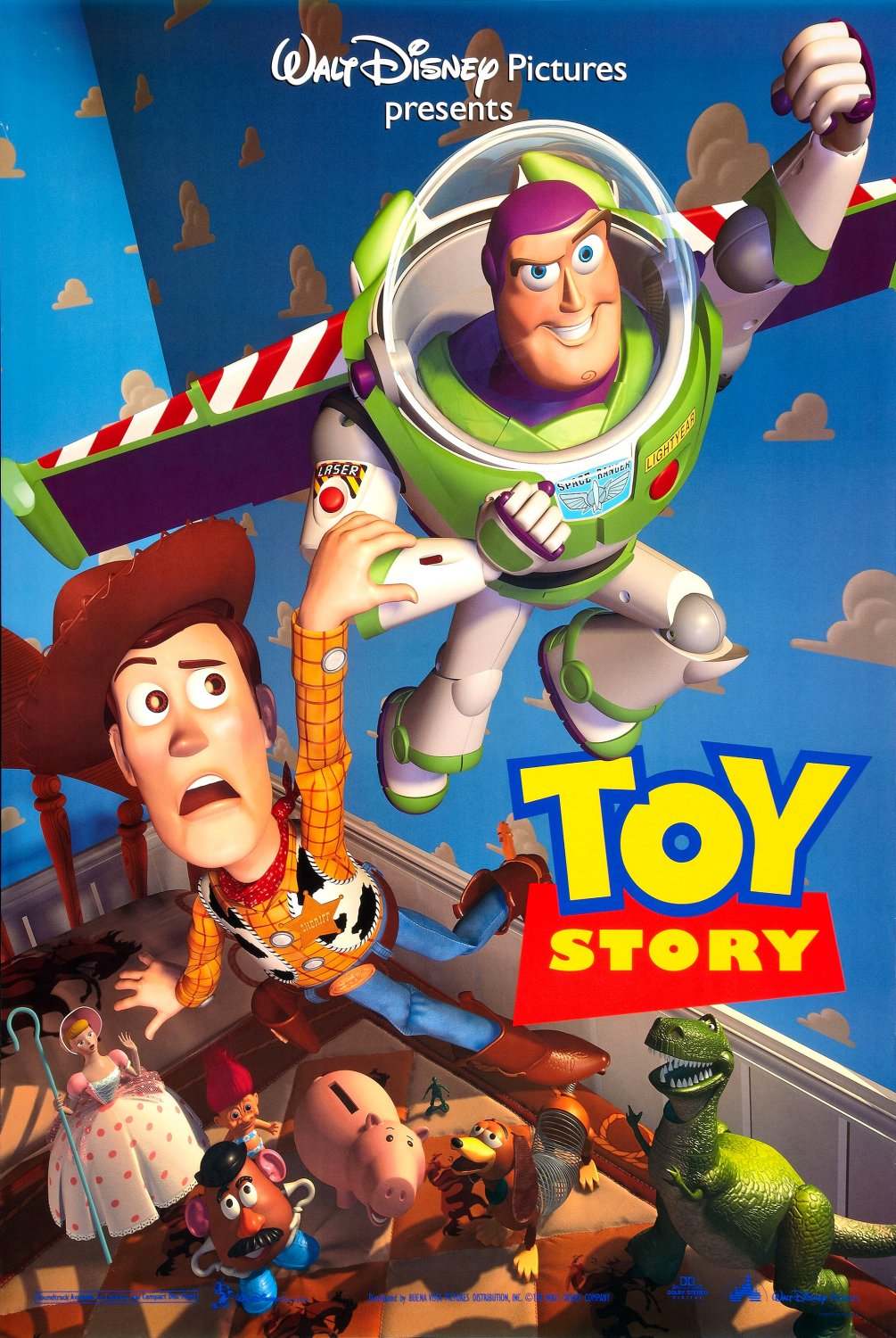
Poster for Toy Story
FILM ARCHIVE / 35MM

Toy Story

35mm1995Edition: 1995

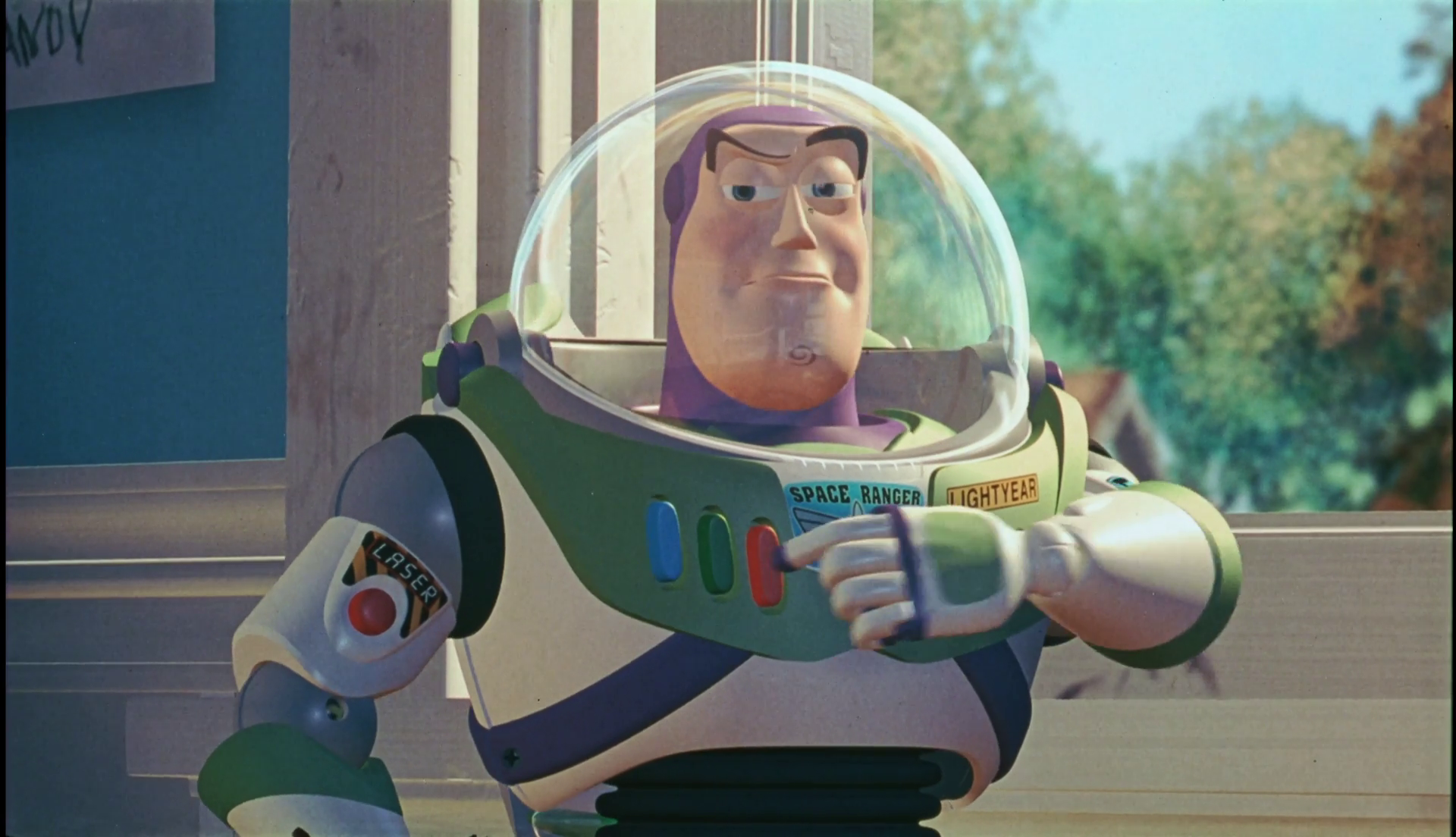
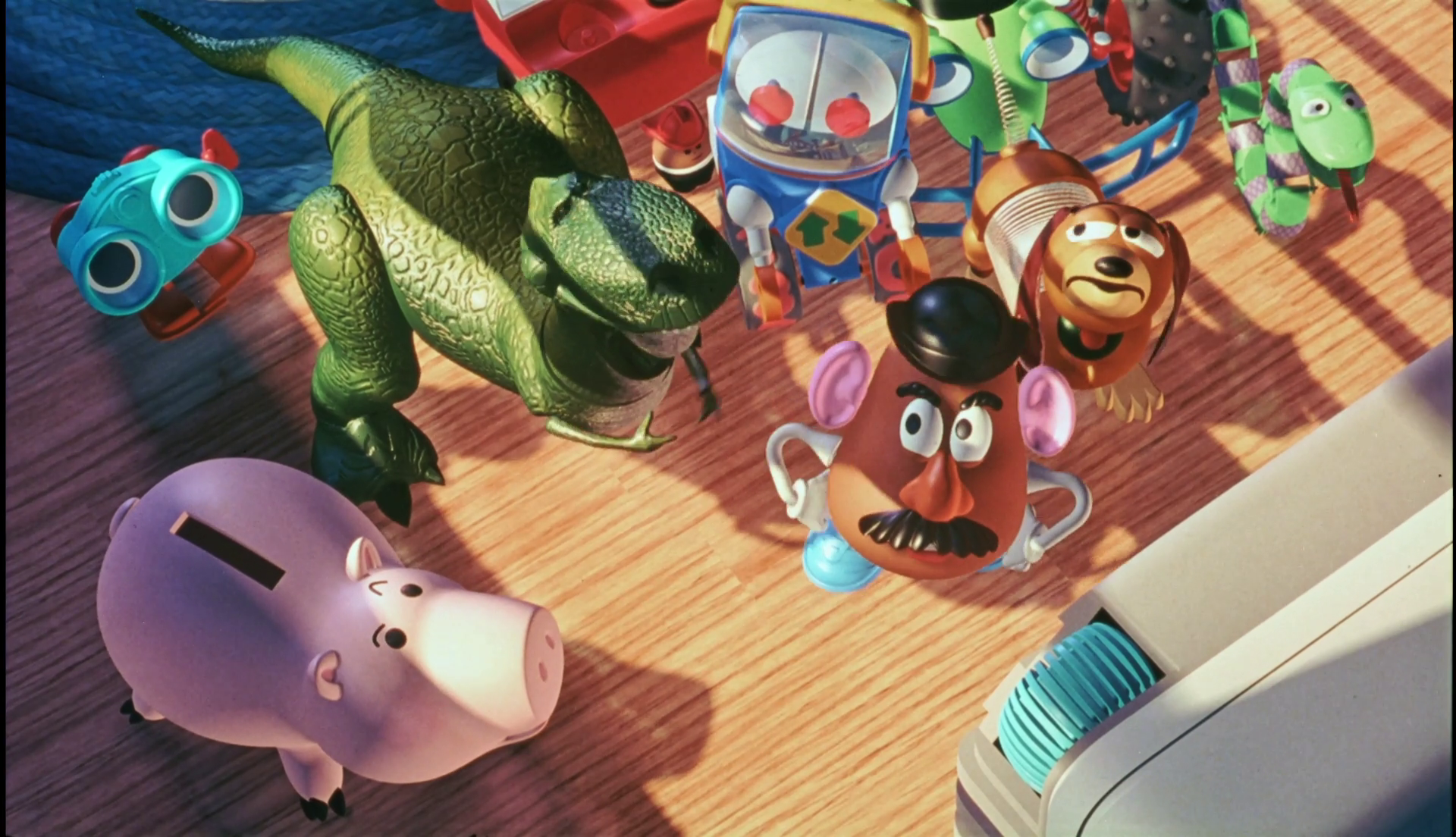
Released in 1995, Toy Story revolutionised animation as the world's first entirely computer-animated feature film. The story follows Woody, a pull-string cowboy doll who has always been the favourite toy of a young boy named Andy. His comfortable position is threatened when Andy receives Buzz Lightyear, a technologically advanced space ranger action figure who believes he is a real intergalactic hero. As jealousy develops into rivalry, Woody and Buzz accidentally find themselves separated from Andy. Forced to work together, the unlikely companions embark on an adventure through the outside world, encountering dangerous situations, unusual characters and the terrifying toy-destroying neighbour Sid Phillips. Along the way, both toys discover the importance of friendship, loyalty and accepting their true identities.

DIRECTORJohn Lasseter
EDITION RUNTIME1 hr 20 min
FILE SIZE3.69 GB
FILE FORMATMP4
RESOLUTION1920x1080

Free member account required to access download links. Up to 3 download requests per day by default.

MEMBER LOGIN REGISTER FREE
THE DIFFERENCES

What changed in this version?

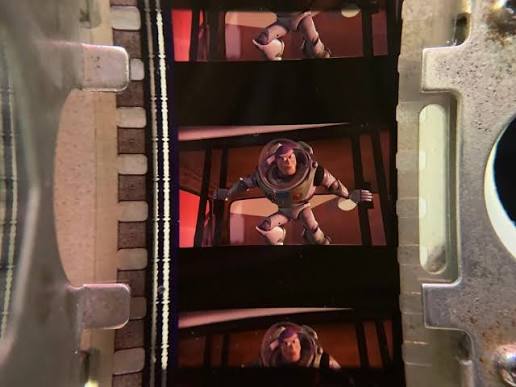
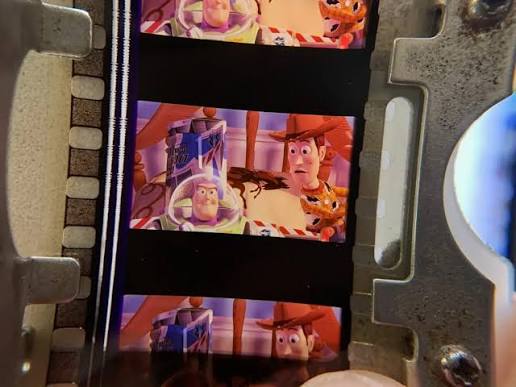
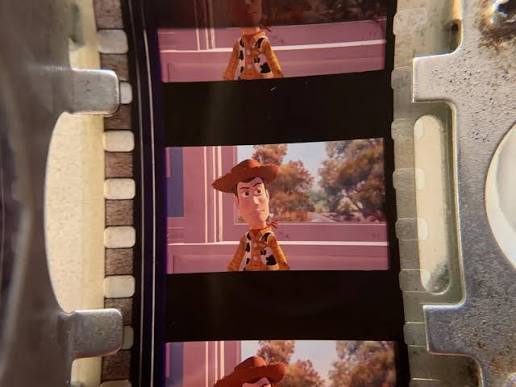
Although Toy Story was created entirely using computers, its original theatrical release was distributed and projected using traditional 35mm film prints.

During the mid-1990s, digital cinema projection was not yet commercially widespread. Pixar's completed computer-generated imagery was therefore transferred onto physical motion-picture film for cinema exhibition.

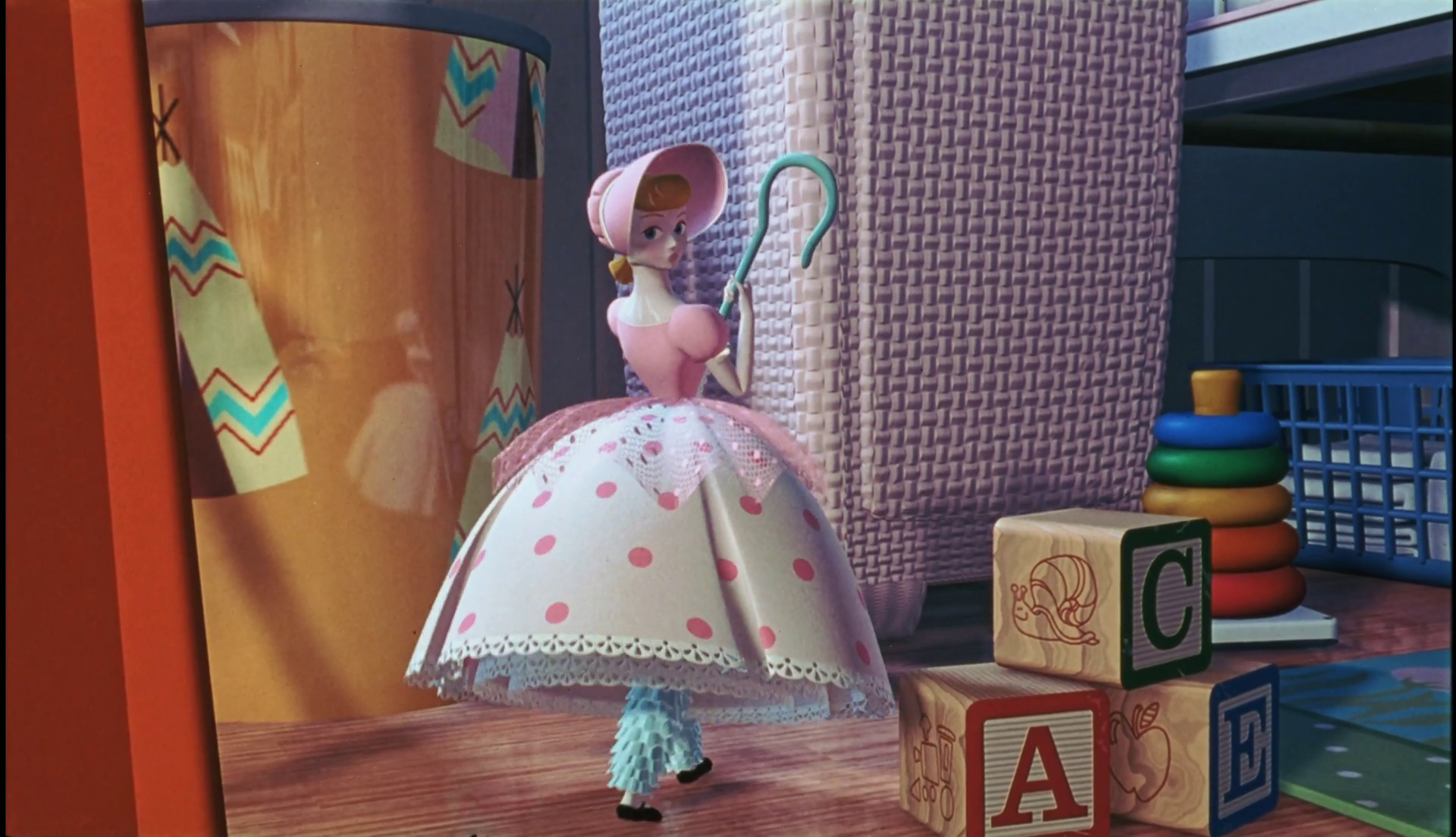
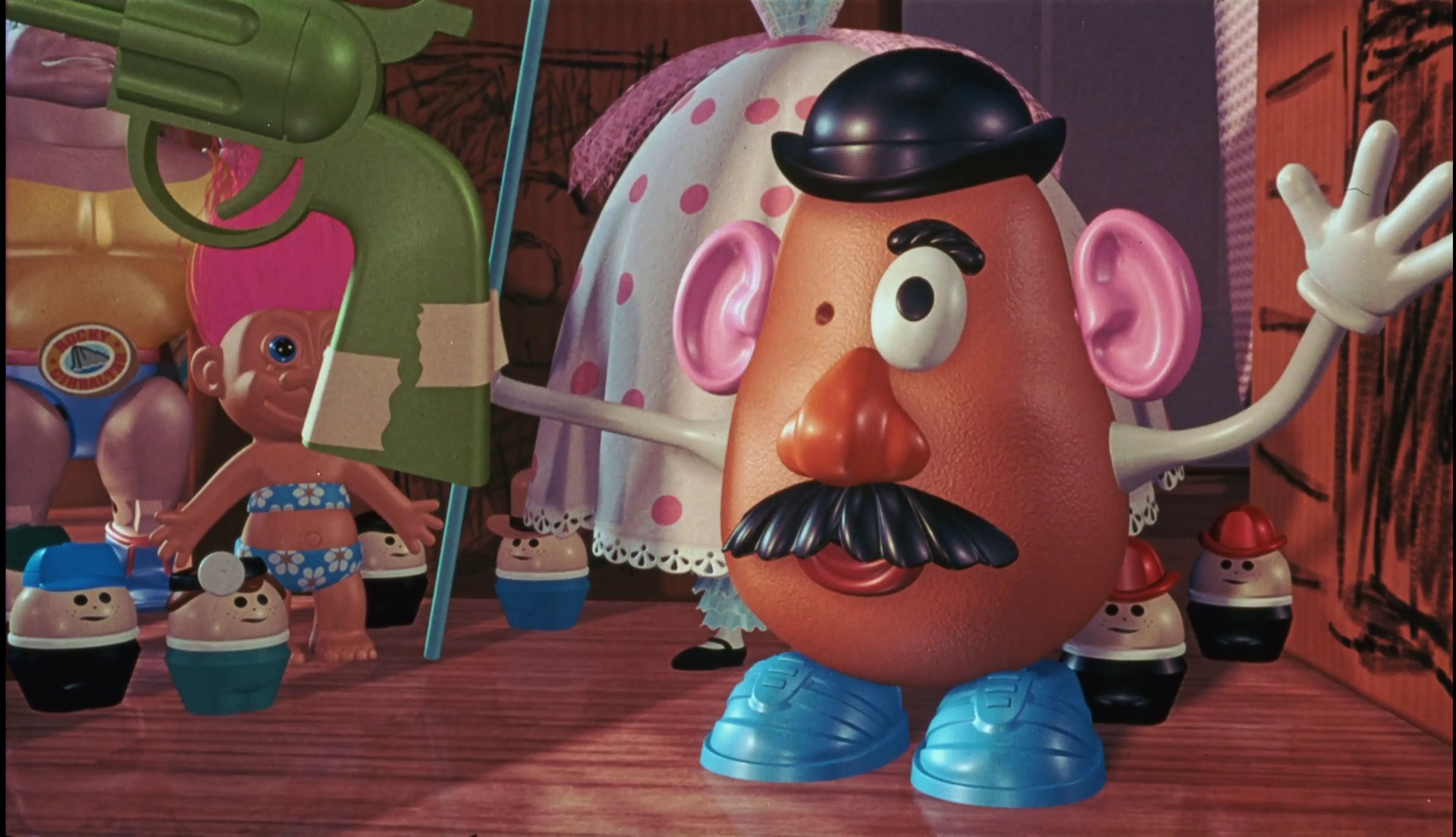
A scan of an original 35mm theatrical print offers an opportunity to experience the film with the photographic characteristics of its initial cinema presentation.

Unlike later digital home-video releases, a 35mm print scan may exhibit:
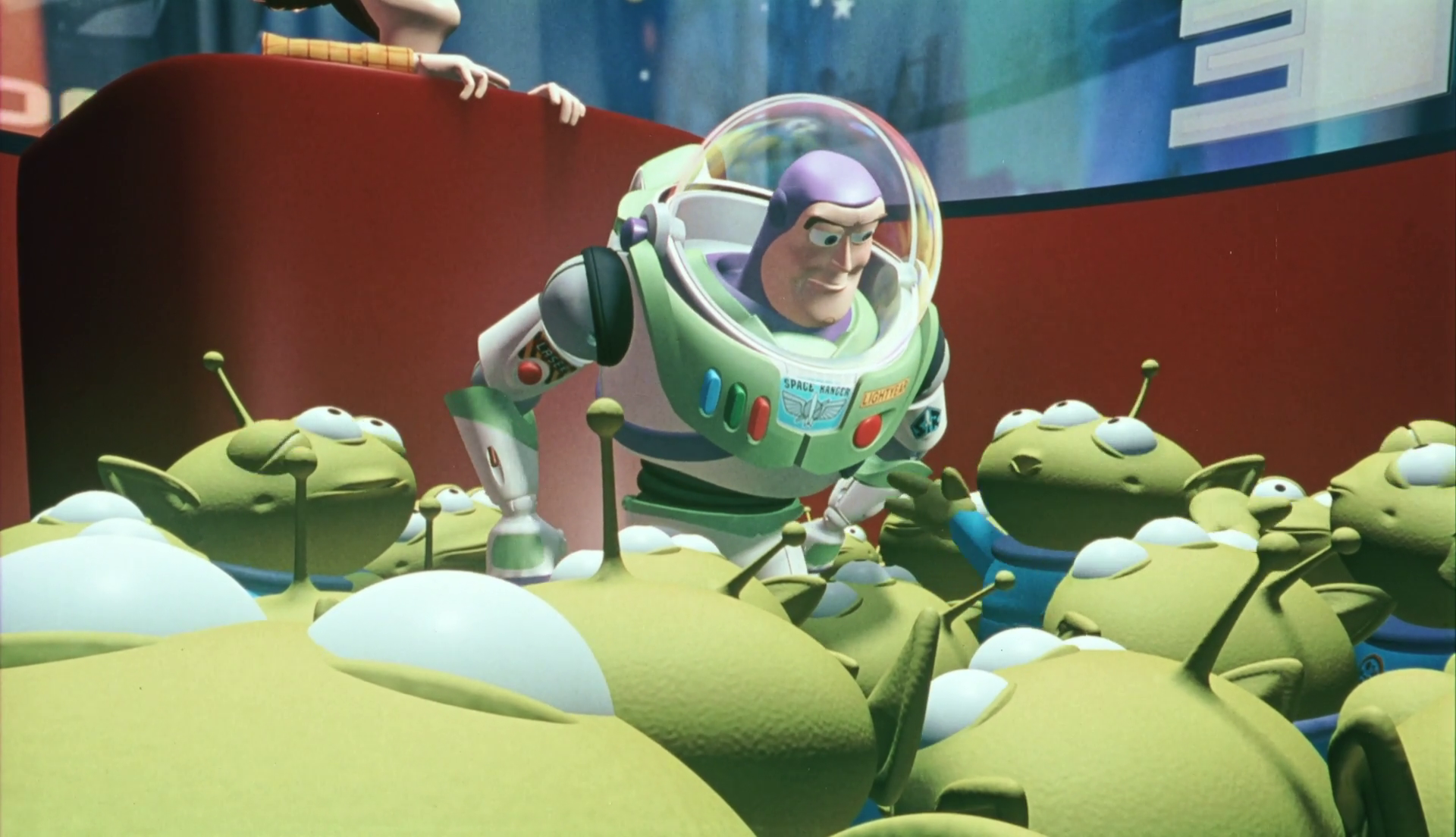
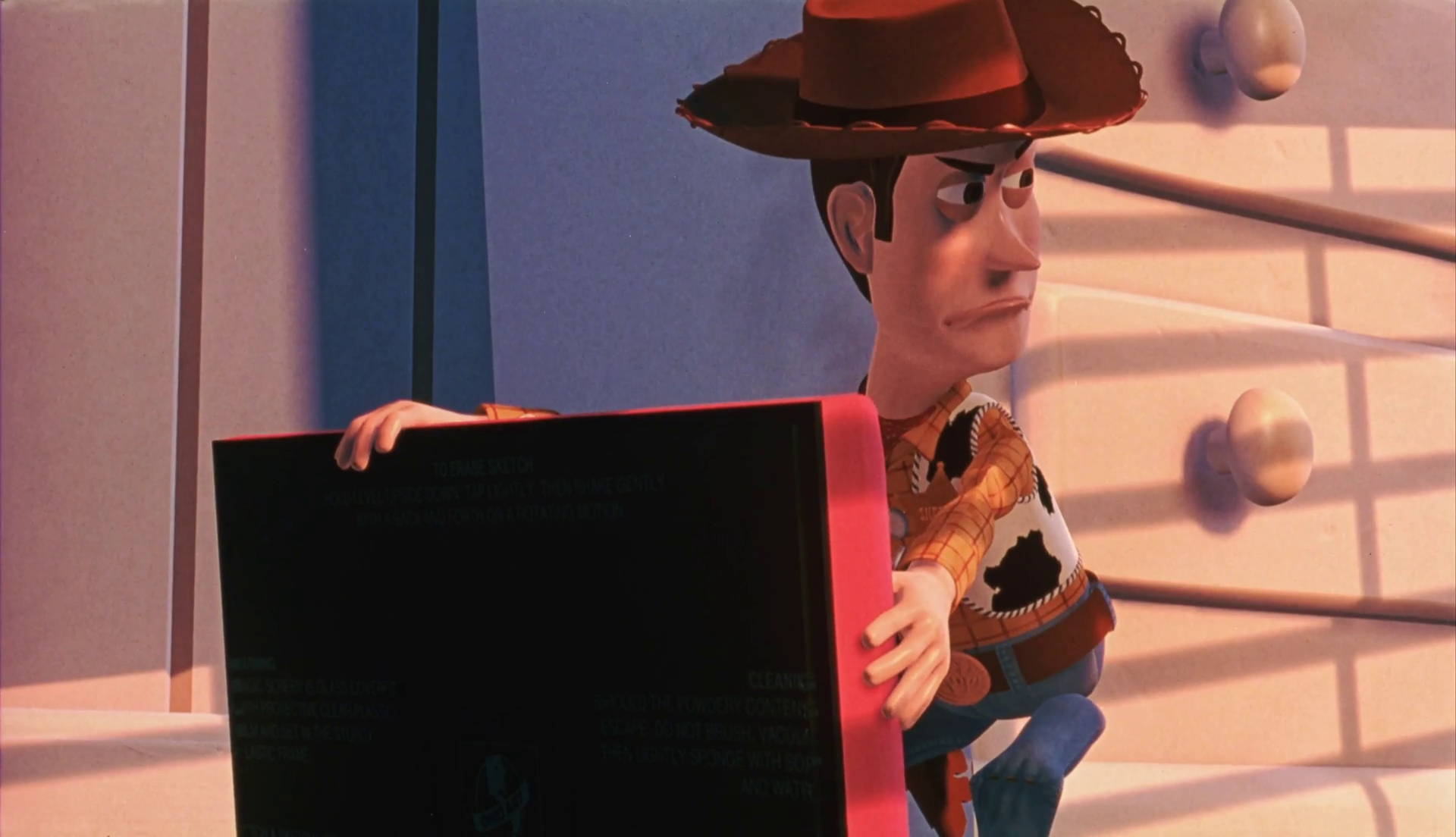
  • Original theatrical colour characteristics: Potentially warmer tones and different colour reproduction compared with modern digital versions.
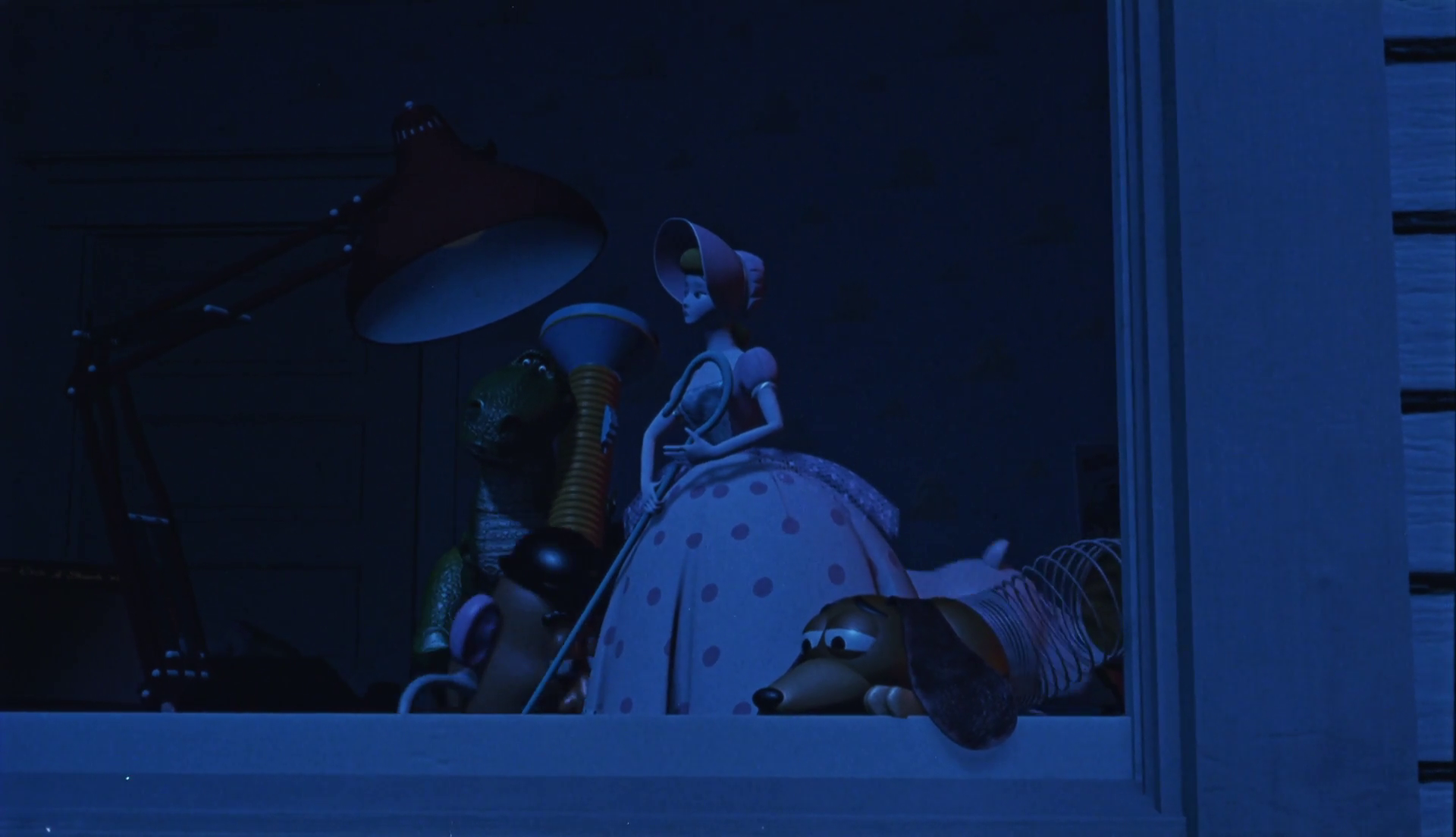
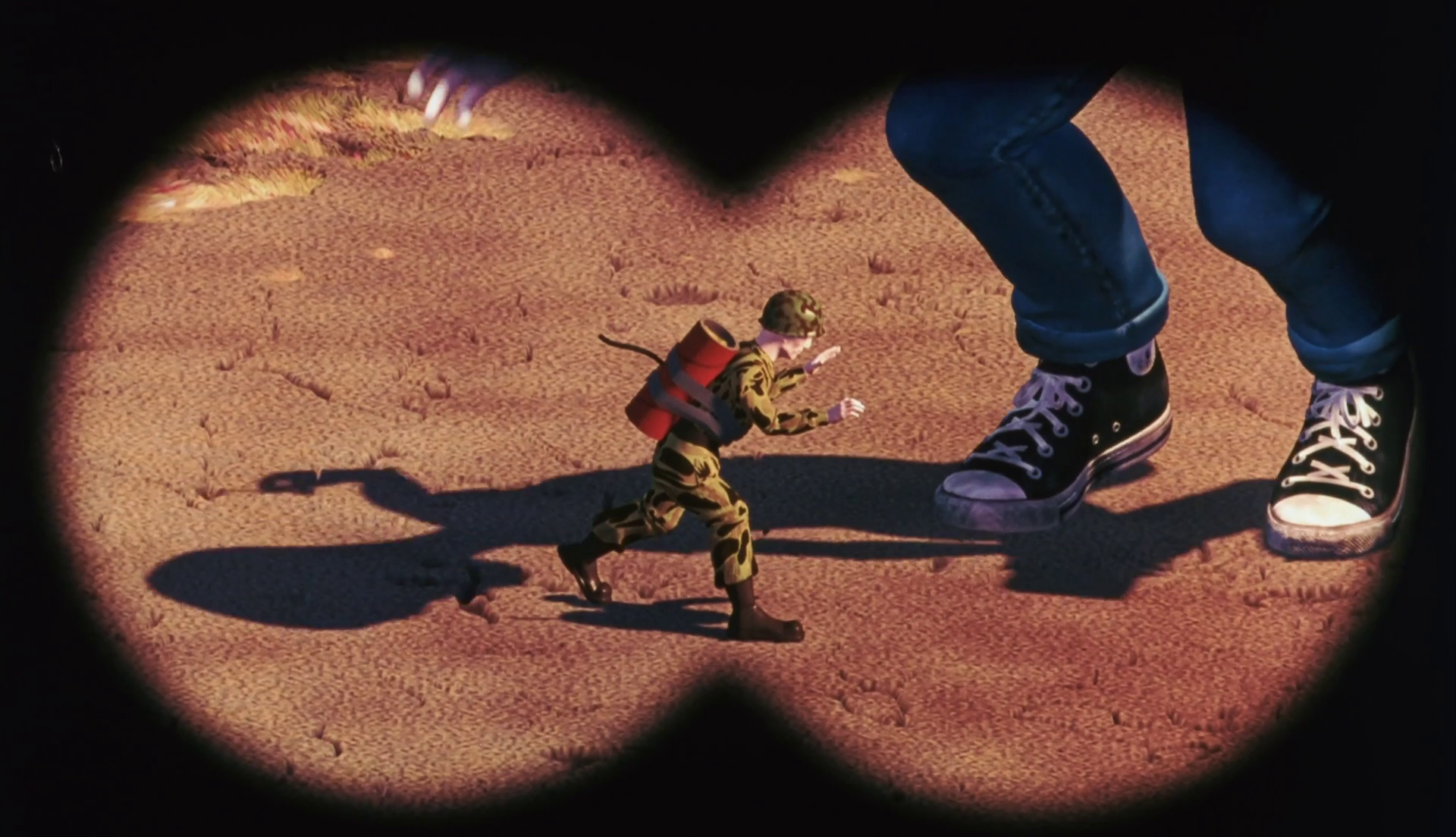
  • Natural film grain: The photographic texture introduced when the computer-generated imagery was recorded onto film.
  • Softer image presentation: The subtle optical characteristics of traditional film projection.
  • Film artefacts: Occasional dust, scratches, dirt and reel-change marks, depending on the condition of the source print.
  • Original theatrical framing: The 1.85:1 widescreen composition used for cinema exhibition.
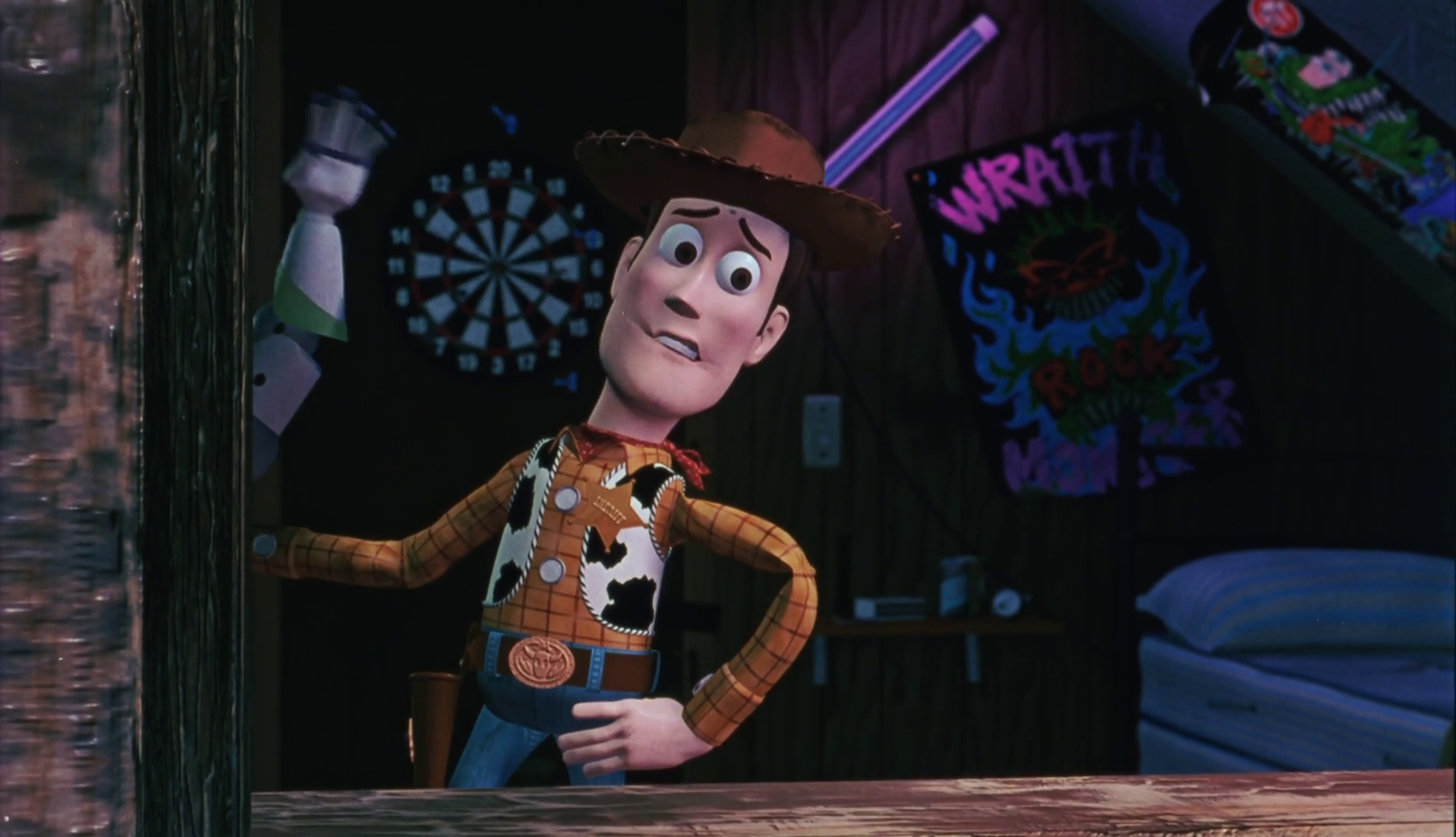
Comparisons between surviving theatrical prints and newer digital releases have highlighted noticeable differences in colour, contrast and overall image texture.

Historical Significance

Toy Story represents a fascinating transitional moment in cinema history.

It combined revolutionary computer-generated animation with traditional photochemical film distribution. Although its images originated digitally, the original cinema experience still depended on physical 35mm prints.

Preserving and scanning these prints helps document how audiences actually experienced Pixar's groundbreaking achievement in 1995.

For film collectors and preservation enthusiasts, the 35mm version provides a distinctive alternative to modern Blu-ray, 4K UHD and streaming presentations.