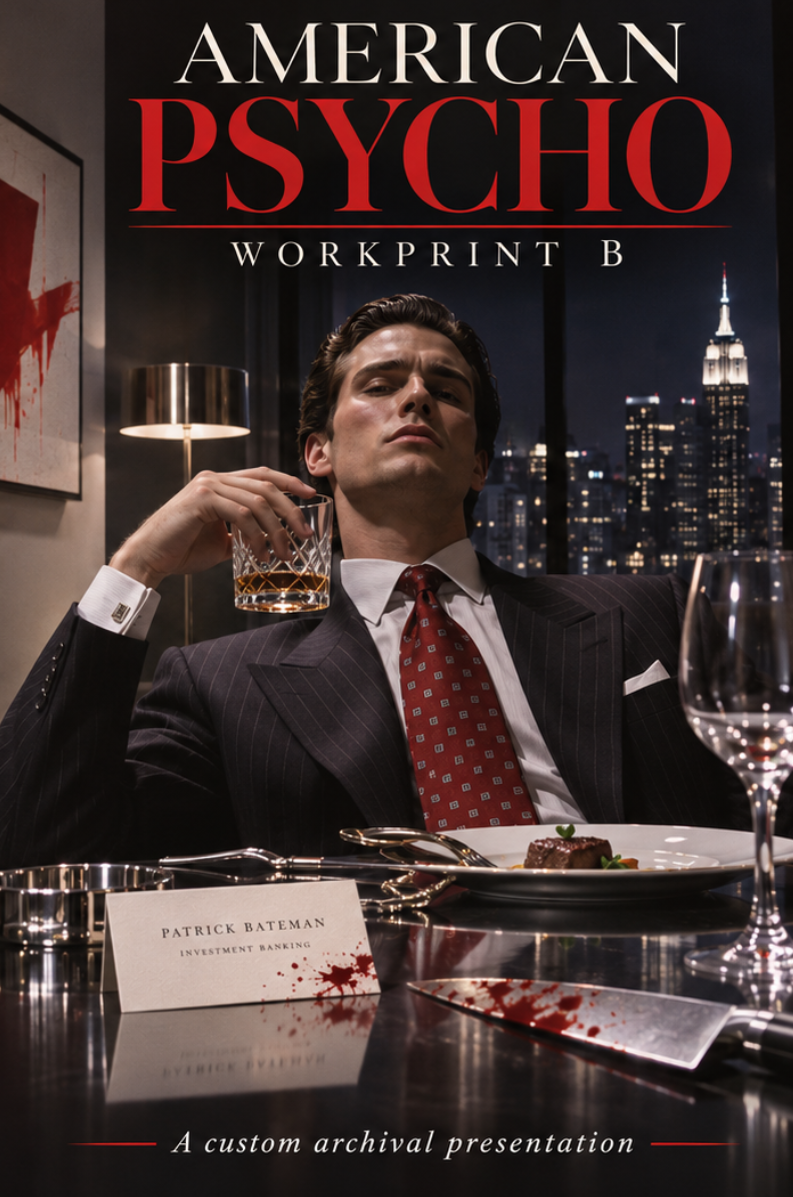
American Psycho
Set against the excessive wealth and consumer culture of late-1980s Manhattan, American Psycho follows Patrick Bateman (Christian Bale), a wealthy Wall Street investment banker whose carefully constructed public identity conceals a deeply disturbed personality. By day, Bateman surrounds himself with expensive restaurants, designer clothing, exclusive nightclubs and equally superficial colleagues. Behind his polished appearance, however, lies an increasingly violent obsession with status, perfection and control. As his behaviour becomes more erratic, Bateman descends into a disturbing world of violence, paranoia and psychological instability, leaving audiences questioning how much of his terrifying experience is real.
Free member account required to access download links. Up to 3 download requests per day by default.
MEMBER LOGIN REGISTER FREEWhat changed in this version?
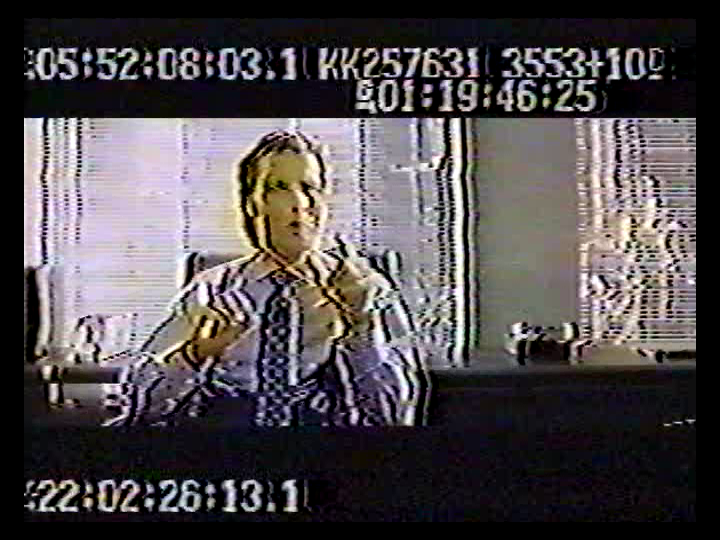
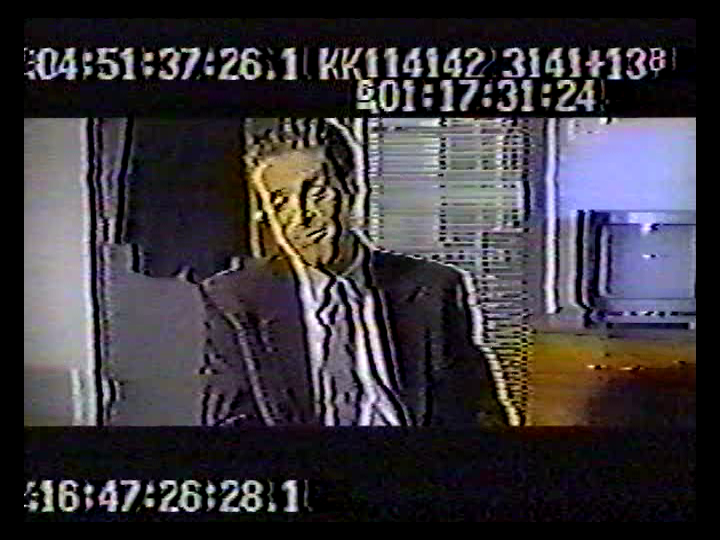
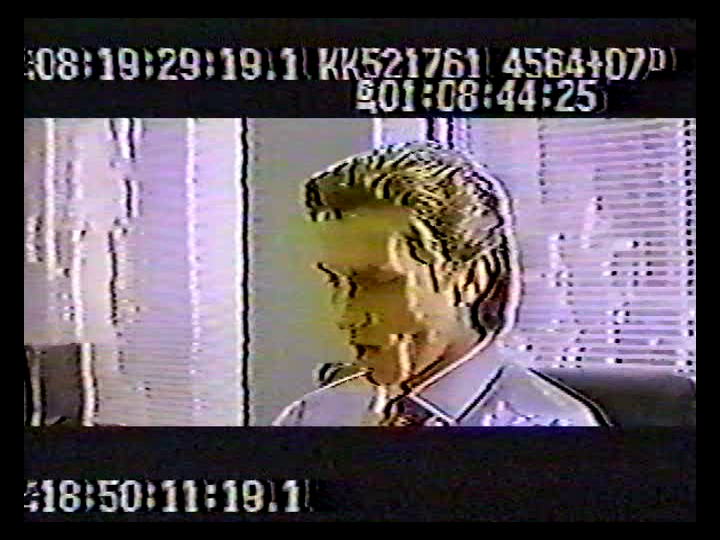
- Additional scenes: Three extra scenes reportedly appear in the workprint, two of which were subsequently released among the DVD's deleted scenes.
- Alternate dialogue: Certain conversations contain dialogue different from the commercially released film.
- Different camera angles: Some sequences use alternative shots or takes.
- Extended running time: The documented workprint runs approximately five minutes longer than the referenced DVD version.
- Earlier editorial choices: The workprint preserves material and decisions that were subsequently changed before commercial release.